Category: Digital Marketing

  • Why Google Ads Is Important for Business Growth

    Why Google Ads Is Important for Business Growth

    Discover why Google Ads is important for business growth. Learn how targeted advertising can increase visibility, attract customers, generate leads, and boost sales.

    Imagine a potential customer searching for exactly what your business offers. They are interested, they have a need, and they may be ready to buy—but your business does not appear in front of them.

    That is where Google Ads can make a difference.

    Unlike many traditional advertising methods, Google Ads allows businesses to reach people based on what they are actively searching for online. Whether you run a local service company, an e-commerce store, a B2B company, or a growing startup, paid search can put your offer in front of high-intent customers.

    But simply running ads is not enough. The real value comes from targeting the right audience, choosing relevant keywords, creating useful ads, and sending visitors to landing pages that encourage action.

    So, why Google Ads is important for modern businesses? Let’s look at the key reasons.
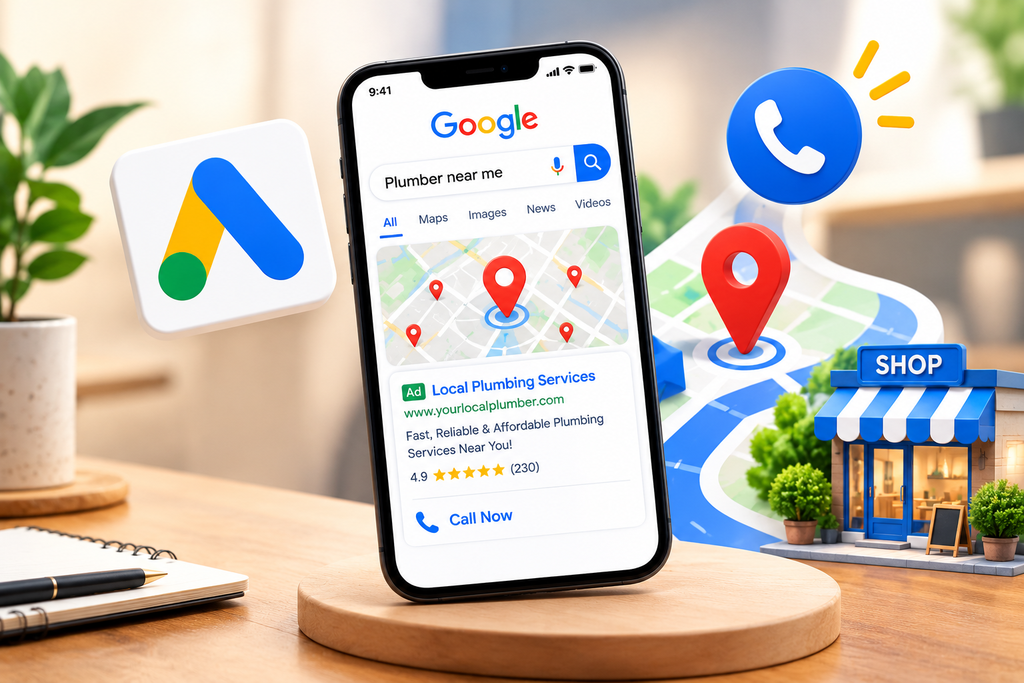
    Why Google Ads Is Important for Businesses

    Google is often the starting point when people need a product, service, solution, or local business. That makes search advertising particularly powerful because it connects businesses with customers at a moment of intent.

    With Google Ads, businesses can target searches related to their products and services rather than simply showing advertisements to a broad audience.

    For example, someone searching for “Plumber near me” has a very different level of buying intent from someone casually reading an article about air conditioning.

    A well-optimized search campaign can help the AC company appear when that potential customer needs help.

    6 Advantages of Google Ads Businesses Should Know

    1. Reach Customers With High Purchase Intent

    One of the biggest advantages of Google Ads is intent-based targeting.

    People search Google because they want information, compare options, or take action. Businesses can use relevant keywords to reach potential customers at these critical moments.

    High-intent searches might include:

    • “buy running shoes online”
    • “best accounting firm near me”
    • “digital marketing agency for startups”
    • “plumber available today”

    The closer the search is to a buying decision, the more valuable that traffic can become.

    2. Get Results Faster Than Organic Search

    SEO is essential for long-term visibility, but it can take time to build rankings.

    Google Ads can provide visibility much faster. Once a campaign is approved and properly configured, relevant ads can begin appearing for targeted searches.

    This makes paid advertising particularly useful when a business is:

    • Launching a new product
    • Entering a competitive market
    • Promoting a limited-time offer
    • Trying to generate leads quickly
    • Testing demand for a service

    Paid advertising and SEO should not be viewed as competing strategies. Used together, they can support both short-term acquisition and long-term growth.

    3. Control Your Advertising Budget

    Another reason Google Ads is important for business is budget flexibility.

    Businesses can establish campaign budgets and adjust spending based on performance. Instead of committing to a large traditional advertising campaign, a company can test a smaller campaign, analyze the results, and scale what works.

    For example, a local dentist might start by targeting searches within a specific service area. If searches for “dental implants” generate qualified enquiries while broader keywords perform poorly, the business can shift more budget toward the stronger campaign.

    4. Target the Right Audience

    Google Ads offers multiple targeting options that can help businesses reach more relevant prospects.

    Depending on the campaign, advertisers can refine targeting around factors such as:

    • Location
    • Search terms
    • Audience signals
    • Devices
    • Language
    • Demographics
    • Remarketing audiences

    This level of targeting can reduce wasted spend and help businesses focus on customers who are more likely to take action.
    Google Ads for Lead Generation

    For service-based businesses, Google Ads for lead generation can be especially valuable.

    A lead might take the form of:

    • A phone call
    • Contact form submission
    • Consultation request
    • Quote request
    • Appointment booking
    • Demo registration

    For example, a software company could create a campaign targeting businesses searching for CRM solutions. Instead of sending every visitor to the homepage, the company could direct them to a dedicated landing page offering a product demonstration.

    The simpler and more relevant the journey, the greater the opportunity to convert a qualified visitor into a lead.

    Make Every Click Count

    Getting someone to click an advertisement is only half the job.

    Your landing page should:

    1. Match the promise made in the advertisement.
    2. Explain the product or service clearly.
    3. Highlight the main customer benefit.
    4. Provide evidence such as reviews, results, or case studies.
    5. Include a clear call to action.
    6. Work well on mobile devices.

    A great advertisement cannot compensate for a confusing landing page.

    Google Ads vs. Organic Marketing: Why Use Both?

    Businesses often ask whether they should invest in Google Ads or SEO.

    In reality, the strongest digital strategies often use both.

    Google Ads can provide immediate visibility and help capture high-intent searches.

    SEO can build sustainable organic visibility and authority over time.

    For example, a marketing agency could use paid search to attract businesses looking for immediate help while simultaneously publishing useful SEO content that earns organic traffic.

    The two channels can also provide valuable insights for each other. Paid campaigns can reveal which search terms convert, while SEO content can build visibility around topics that matter to potential customers.

    Google Ads for Business Growth

    Google Ads for business growth works best when advertising is treated as a measurable growth channel rather than simply a source of website traffic.

    The goal should not be “get more clicks.”

    The better questions are:

    • How many qualified leads did we generate?
    • How many people contacted the business?
    • How many purchases came from the campaign?
    • Which keywords produced the best customers?
    • What was the cost per acquisition?
    • Which campaigns deserve more budget?

    Consider an online furniture store that spends ₹50,000 on Google Ads and generates ₹2,00,000 in attributable sales. The campaign gives the business useful data about customer demand, profitable products, and effective search terms—not just clicks.

    That data can then influence future advertising, landing pages, pricing, and content strategies.
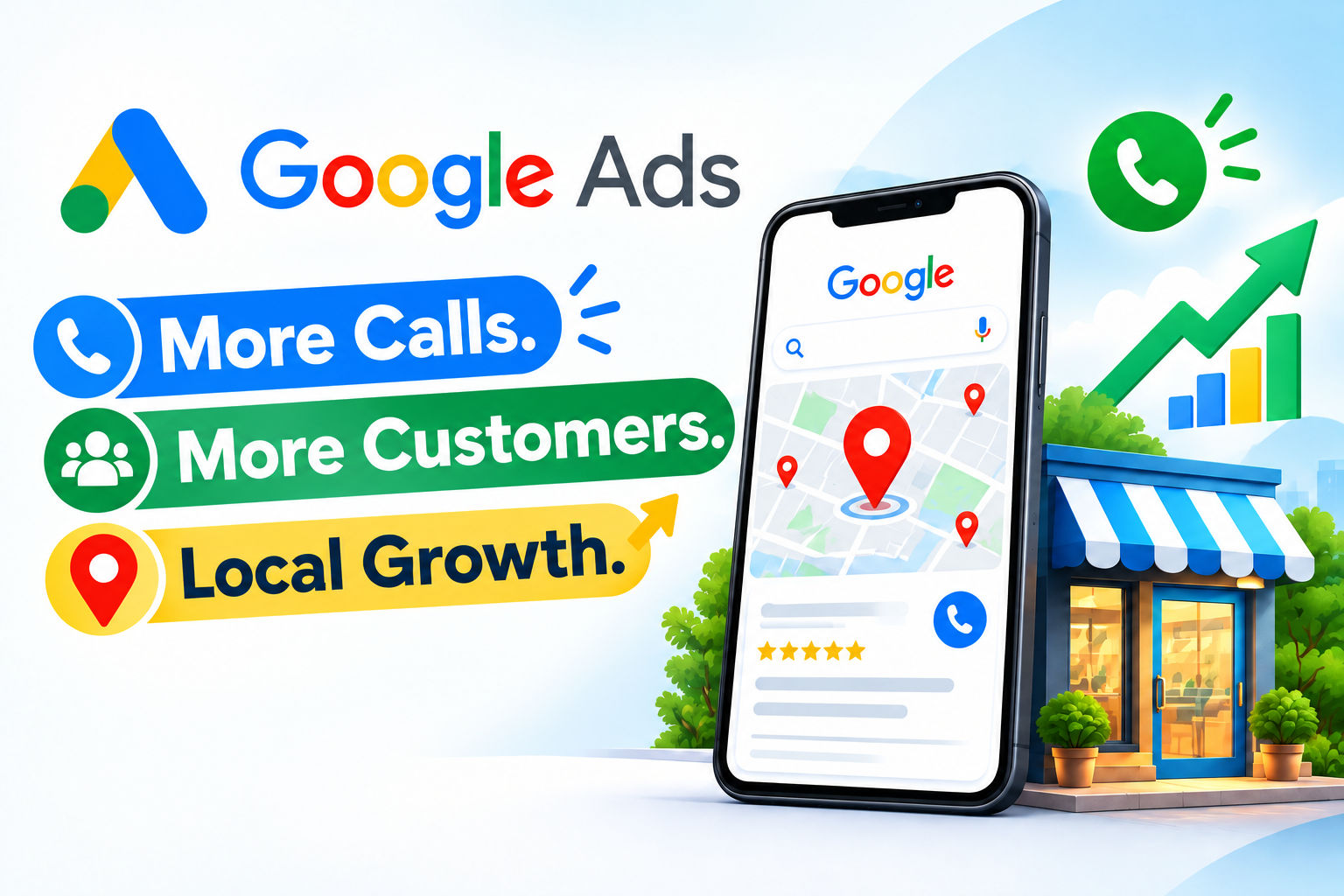
    Google Ads and local search marketing illustration showing more clicks, phone calls, and customers for business growth.

    Common Google Ads Mistakes to Avoid

    Google Ads can generate impressive results, but poor campaign management can quickly waste a budget.

    Common mistakes include:

    • Targeting overly broad keywords
    • Ignoring negative keywords
    • Sending every visitor to the homepage
    • Writing generic ad copy
    • Failing to track conversions
    • Focusing on clicks instead of revenue
    • Not testing different ads
    • Never reviewing campaign performance

    Successful campaigns require ongoing optimization. Search behavior changes, competitors adjust their offers, and some keywords will perform better than others.

    Conclusion

    So, why is Google Ads important for business in today’s competitive digital market?

    Because it gives businesses an opportunity to reach potential customers when they are actively searching for relevant products and services. It can generate visibility quickly, support lead generation, provide measurable data, and help businesses make smarter decisions about their marketing budget.

    But Google Ads is not a shortcut to guaranteed growth. Strategy matters.

    The businesses that get the most from paid search are those that understand their customers, target valuable searches, create compelling offers, track meaningful conversions, and continuously improve their campaigns.

    When managed as part of a broader digital marketing strategy, Google Ads can become more than an advertising platform—it can become a powerful engine for predictable customer acquisition and business growth.

    Frequently Asked Questions

    1. Is Google Ads important for small businesses?

    Yes. Small businesses can use targeted campaigns to reach customers in specific locations and focus their budgets on high-intent searches relevant to their products or services.

    2. How does Google Ads help business growth?

    Google Ads can increase targeted website traffic, generate leads, promote products, and help businesses reach potential customers who are actively searching for relevant solutions.

    3. Is Google Ads better than SEO?

    Neither is universally better. Google Ads can provide faster visibility, while SEO is designed to build organic visibility over the long term. Using both can create a stronger search strategy.

    4. How much should a business spend on Google Ads?

    There is no universal budget. Spending should depend on the market, competition, customer value, conversion rate, and acquisition goals. Start with a controlled budget and scale based on profitable results.

    5. Can Google Ads generate leads?

    Yes. Google Ads for lead generation can drive prospects to enquiry forms, phone calls, consultation pages, demos, and appointment-booking pages. Proper conversion tracking is essential for measuring results.
  • From Google Searches to Bridal Bookings: Local SEO Tips for Makeup Artists

    From Google Searches to Bridal Bookings: Local SEO Tips for Makeup Artists

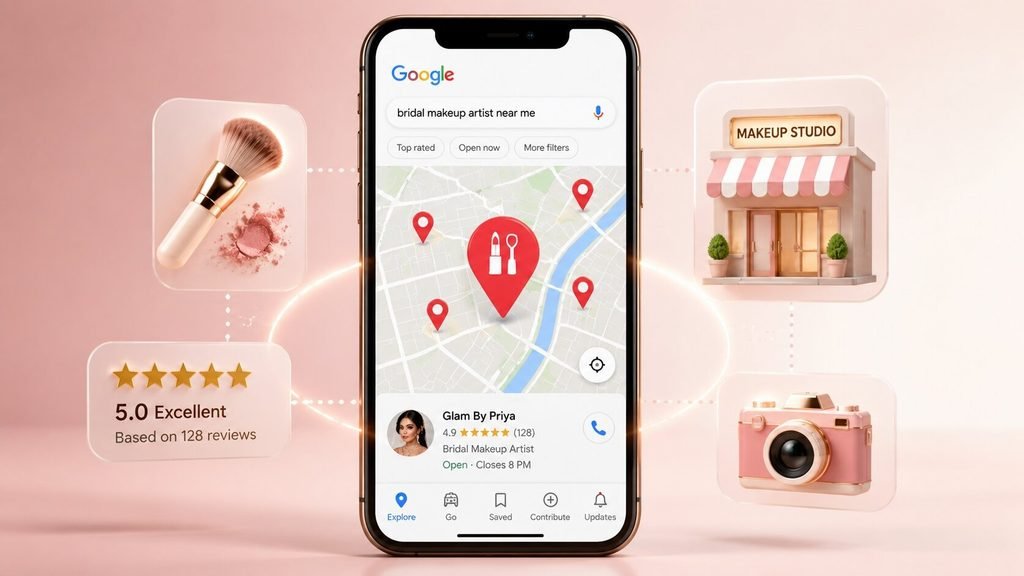
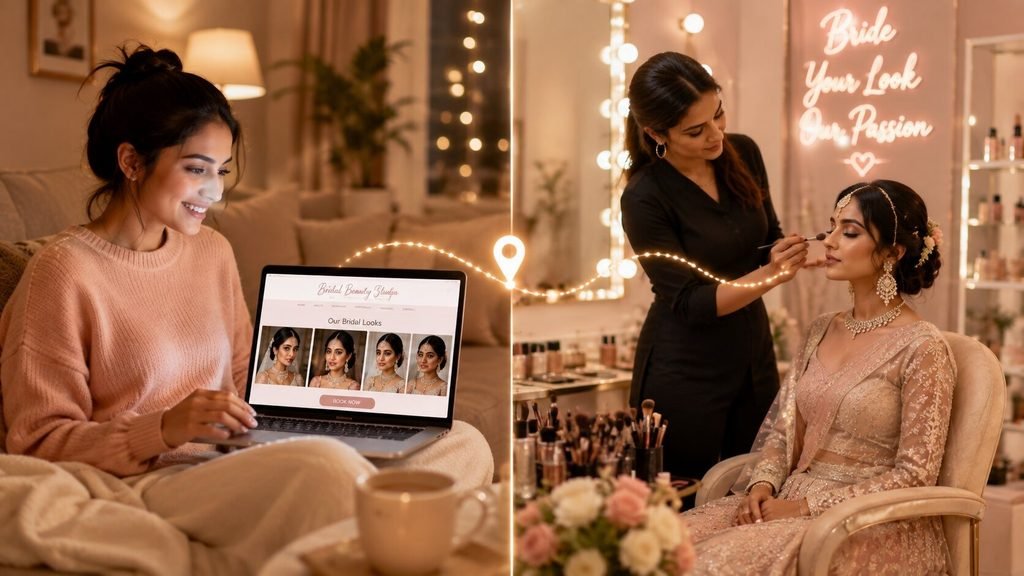
    A bride searching for a makeup artist usually has one thing in mind: finding someone trustworthy, nearby, and available for her big day. If your makeup business does not appear when potential clients search on Google, you may be missing valuable bookings—even if your makeup skills are excellent.

    This is where local SEO for makeup artists can make a real difference.

    Local SEO helps your business become more visible in Google Search and Google Maps when people search for services in their area. For a bridal makeup artist, that can mean turning local searches into enquiries, consultations, and bookings.

    In this guide, you’ll learn practical ways to improve your local visibility and attract more bridal clients.

    What Is Local SEO for Makeup Artists?

    Local SEO is the process of improving your online presence so your business can appear in relevant local searches.

    For example, a bride might search:

    • “bridal makeup artist near me”
    • “best bridal makeup artist in [city]”
    • “wedding makeup artist near me”
    • “makeup artist for wedding in [area]”

    Google considers factors such as relevance, distance, and prominence when determining local results. Complete and accurate business information can also help Google understand what your business offers.

    For makeup artists, this means your website, Google Business Profile, reviews, photos, and other online information should clearly communicate what you do and where you serve clients.

    Why Local SEO Matters for Bridal Makeup Artists

    Social media is useful for showcasing your work, but Google can capture people who are actively looking for a service.

    Imagine a bride searching for “bridal makeup artist in Kolkata.” She is not simply browsing makeup inspiration. She may be comparing artists, checking reviews, viewing portfolios, and deciding whom to contact.

    That makes local search especially valuable.

    A strong local presence can help you:

    • Reach brides searching for makeup services
    • Build trust through reviews and photos
    • Increase website visits and enquiries
    • Improve visibility in Google Maps
    • Generate more qualified local leads

    The goal isn’t simply to get more website traffic. The goal is to get discovered by the right people in the areas you serve.

    7 Local SEO Tips for Makeup Artists

    1. Optimize Your Google Business Profile

    Your Google Business Profile is one of the most important assets for local visibility. It can appear across Google Search and Maps and acts as a local storefront for your business.

    Make sure your profile includes:

    • Correct business name
    • Relevant business category
    • Phone number
    • Website
    • Business hours
    • Service information
    • High-quality makeup photos
    • Accurate location or service-area information

    Keep the information consistent and up to date. Google specifically recommends complete and accurate Business Profile information for improving local visibility.

    2. Use Location-Based Keywords Naturally

    Your website should make it clear where you provide your services.

    Instead of repeatedly using “makeup artist” on every page, create useful, natural phrases such as:

    • Bridal makeup artist in [City]
    • Wedding makeup services in [Area]
    • HD bridal makeup in [Location]
    • Party makeup artist near [Area]

    This is an important part of bridal makeup SEO because it connects your services with the locations your potential clients are actually searching for.

    Avoid stuffing the same location keyword into every sentence. Write for people first and use keywords where they genuinely fit.

    3. Create Dedicated Service and Location Pages

    If you serve multiple areas, consider creating useful pages for important locations.

    For example:

    /bridal-makeup-artist-kolkata/
    /bridal-makeup-artist-salt-lake/
    /bridal-makeup-artist-new-town/

    Each page should offer genuinely useful information about your services in that area—not simply replace the city name on an identical page.

    Include your portfolio, services, FAQs, testimonials, travel information, and relevant local details.

    4. Collect Genuine Google Reviews

    Reviews can influence both trust and local visibility. Google states that review count and positive ratings can contribute to prominence in local search.

    After completing a bridal booking, politely ask your client for an honest review.

    You can make the process easier by sending a direct review link and explaining how valuable their feedback is.

    Never buy fake reviews or ask clients to post misleading testimonials. Genuine experiences are far more valuable for building a sustainable reputation.

    5. Showcase Your Work With High-Quality Photos

    Makeup is highly visual, so your online presence should reflect the quality of your work.

    Upload relevant photos to your website and Business Profile, including:

    • Bridal transformations
    • Different makeup styles
    • Before-and-after results
    • Close-up beauty shots
    • Wedding-day looks
    • Client-approved professional photographs

    Google recommends adding photos and videos to Business Profiles so customers can better understand what a business offers.

    6. Build Local Mentions and Links

    Your business can become more credible when relevant websites mention it.

    For example, you could collaborate with:

    • Wedding photographers
    • Bridal boutiques
    • Wedding planners
    • Local wedding blogs
    • Beauty publications
    • Event venues

    A photographer might feature your makeup work in a real wedding article and link to your website. These genuine local connections can support your overall online presence.

    7. Follow a Simple Local SEO Checklist

    Use this local SEO checklist for makeup artists regularly:

    • Google Business Profile is verified and accurate
    • Business category is relevant
    • Services are clearly listed
    • Website has location-focused pages
    • Bridal makeup keywords are used naturally
    • Recent photos are uploaded
    • Genuine customer reviews are collected
    • Reviews receive thoughtful responses
    • Business information is consistent online
    • Local partnerships and mentions are developed

    A Real-World Example

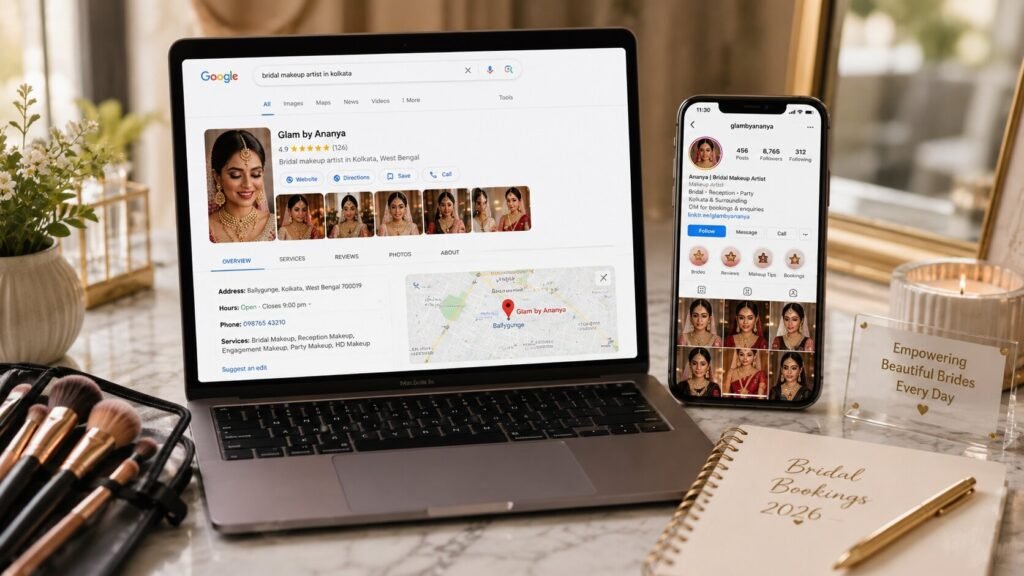
    Suppose a makeup artist named Ananya works with brides in Kolkata.

    Instead of relying only on Instagram, she creates a dedicated bridal makeup page explaining her packages, makeup styles, service areas, portfolio, and FAQs.

    She also keeps her Google Business Profile complete, regularly adds client-approved photos, and encourages genuine reviews.

    Now, when someone searches for a bridal makeup artist in her service area, Ananya has several opportunities to be discovered through Google Search, Maps, and her website.

    That is the real purpose of Google Maps SEO for makeup artists: making it easier for nearby potential clients to find and trust your business.

    Frequently Asked Questions

    How long does local SEO take for a makeup artist?

    There is no fixed timeline. Results depend on factors such as your location, competition, website quality, Business Profile, reviews, and overall online presence. Local SEO is usually a long-term strategy rather than an overnight solution.

    Does Google Business Profile help makeup artists?

    Yes. A Business Profile helps eligible local businesses appear on Google Search and Maps and gives potential customers useful information such as services, contact details, photos, and reviews.

    What keywords should a bridal makeup artist target?

    Start with relevant service-and-location combinations such as “bridal makeup artist in [city],” “wedding makeup artist near me,” and “HD bridal makeup in [area].” Choose keywords that genuinely match your services.

    Can local SEO help me get more bridal bookings?

    Local SEO can help potential clients discover your business when they are searching for relevant services nearby. Turning that visibility into bookings then depends on factors such as your portfolio, reviews, pricing, availability, website experience, and how quickly you respond to enquiries.

    Conclusion

    Being a talented makeup artist is only part of building a successful bridal business. Potential clients also need to find you.

    A strong local SEO strategy puts your services in front of brides who are already searching for makeup artists in their area. By optimizing your Google Business Profile, creating useful location-focused content, collecting genuine reviews, showcasing your work, and building relevant local connections, you can create a stronger digital presence.

    The objective isn’t to chase rankings for their own sake. It’s to become the makeup artist a local bride discovers, trusts, and wants to contact.

    Start with the basics, stay consistent, and let your online presence work alongside your makeup artistry to bring more of the right clients through the door.

  • From Clicks to Customers: A Smarter Digital Marketing Strategy for Restaurants in 2026

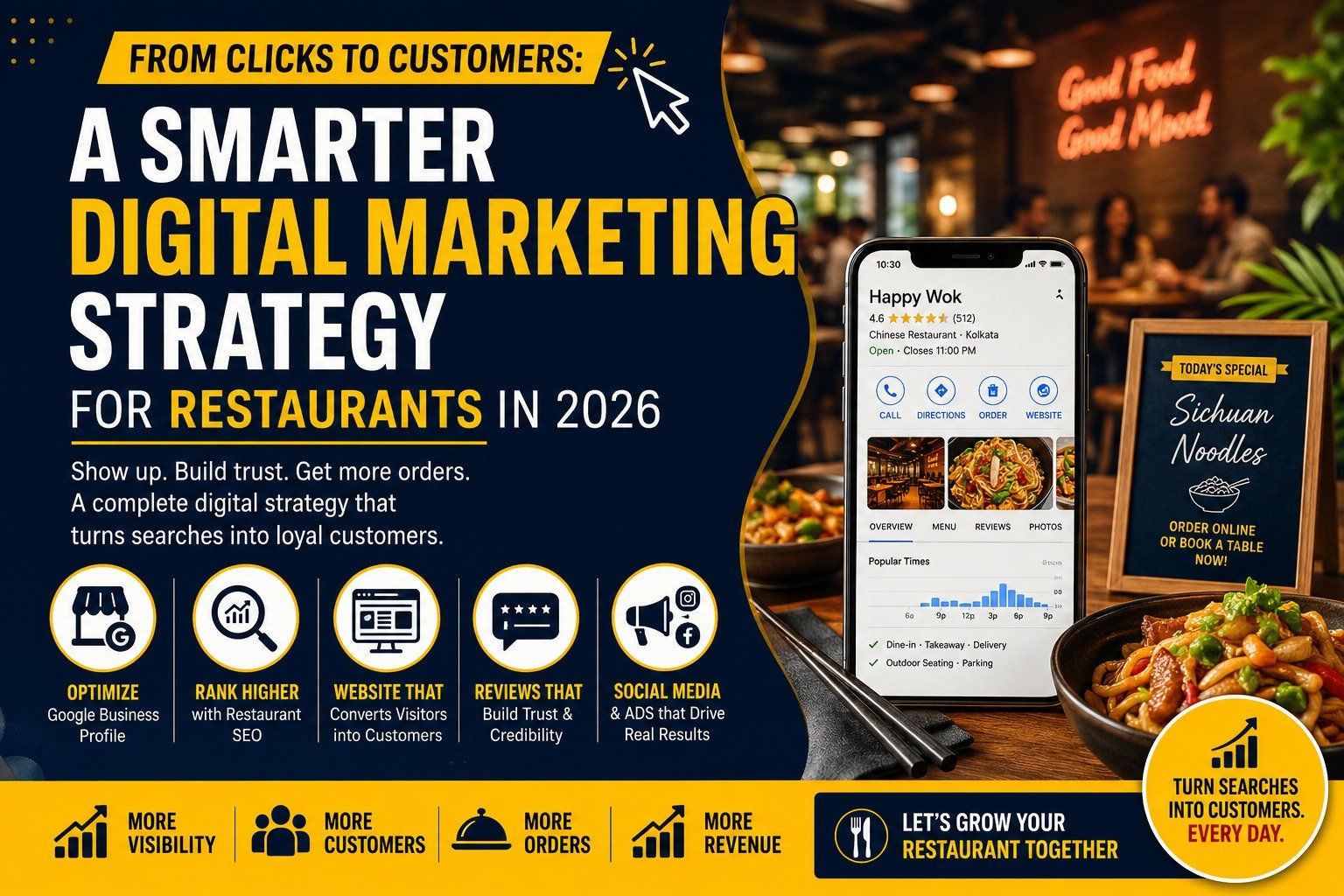
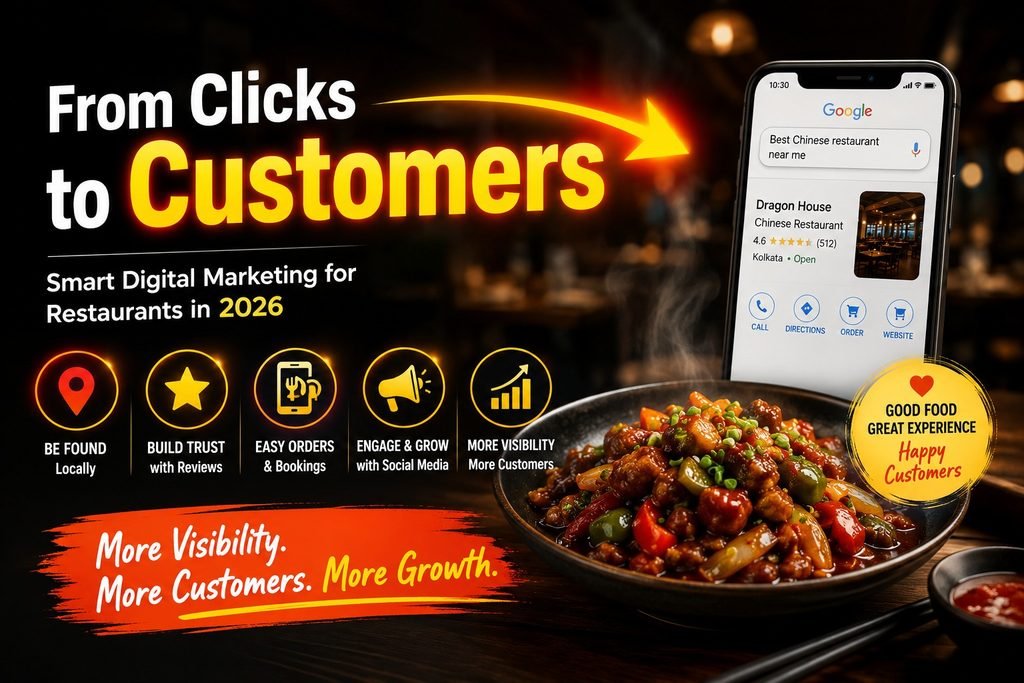
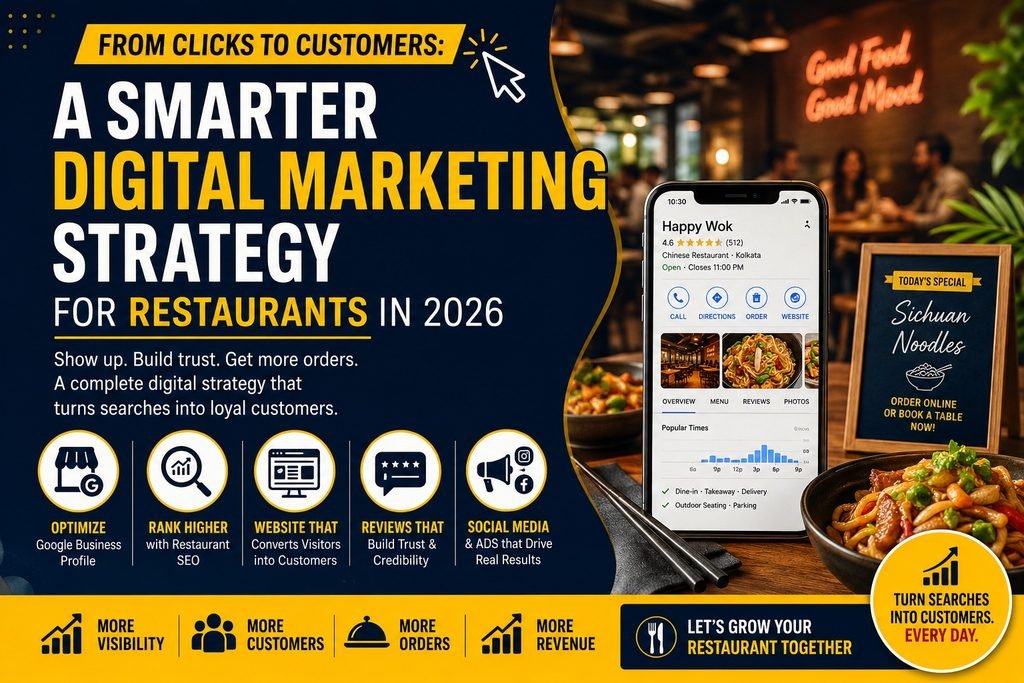
    From Clicks to Customers: A Smarter Digital Marketing Strategy for Restaurants in 2026

    Why Digital Marketing Matters for Restaurants

    A great menu can bring customers back, but getting new customers through the door starts long before they sit at a table. Today, diners search Google for restaurants, menus, reviews, opening hours, delivery options, and directions before deciding where to eat.

    That makes digital marketing for restaurants more than a promotional tool. It is a way to make your restaurant visible when potential customers are actively looking for what you offer.

    A strong strategy combines search engine optimization (SEO), Google Business Profile optimization, social media, content, reviews, and paid advertising. The goal is simple: get discovered, build trust, and make it easy for people to order or visit.

    5 Digital Marketing Strategies Every Restaurant Should Use

    1. Optimize Your Google Business Profile

    For local restaurants, Google Business Profile is one of the most important digital assets. Google says complete and accurate business information can improve a business’s chances of appearing in relevant local searches.

    Make sure your profile includes:

    • Correct restaurant name, address, and phone number
    • Updated opening hours
    • Menu and ordering links
    • High-quality food and restaurant photos
    • Relevant business categories and attributes
    • Regular posts and updates
    • Responses to customer reviews

    For example, a Chinese restaurant in Kolkata should not simply list its name and phone number. Its profile should clearly communicate the cuisine, location, menu, dining options, and customer experience.

    2. Build a Restaurant SEO Strategy

    Restaurant SEO helps your website appear when people search for terms related to your food and location.

    Instead of targeting only broad terms such as “restaurant,” create content around specific searches:

    • Best Chinese restaurant in Kolkata
    • Chinese restaurant near me
    • Family restaurants in [location]
    • Best restaurant for birthday dinner
    • Vegetarian Chinese food in [location]
    • Restaurant with home delivery

    Create dedicated pages where they make sense, such as location pages, cuisine pages, menu pages, and service pages.

    The key is to write for people first. Yoast recommends avoiding keyword stuffing and keeping keyphrases naturally distributed throughout useful, readable content.

    3. Turn Your Website Into a Sales Tool

    Your restaurant website should do more than look attractive.

    A potential customer should be able to answer important questions within seconds:

    What do you serve? Where are you located? How much does it cost? When are you open? Can I order or book a table?

    Use clear calls to action such as:

    • View Menu
    • Order Online
    • Book a Table
    • Get Directions
    • Call Now

    Include original food photography, useful menu descriptions, customer reviews, location information, and fast-loading mobile pages.

    A simple example: if someone searches for “best Chinese restaurant near me” and lands on a website with an outdated menu and no booking button, they may leave. A competitor with a clear menu and one-click reservation option can win that customer.

    4. Use Reviews to Build Trust

    Online reviews influence how customers perceive a restaurant before they visit.

    Encourage satisfied customers to leave honest reviews on platforms where your restaurant has a presence. More importantly, respond professionally to both positive and negative feedback.

    Don’t copy and paste the same response to every customer. Mention something specific when appropriate.

    For example:

    “Thank you for visiting us! We’re glad you enjoyed the Sichuan noodles and hope to see you again soon.”

    This feels more personal and shows future customers that the restaurant actually pays attention.

    Google’s restaurant guidance also recommends engaging with customers by responding to reviews and keeping profile information current.

    5. Combine SEO With Social Media and Paid Ads

    SEO is valuable for capturing people who are already searching, while social media can create demand.

    Use platforms such as Instagram and Facebook to showcase:

    • New dishes
    • Behind-the-scenes content
    • Chef stories
    • Customer experiences
    • Seasonal menus
    • Special offers
    • Short recipe or food videos

    Paid advertising can then support specific campaigns, such as a weekend promotion or a new-location launch.

    The strongest approach is not to treat these channels separately. A new menu item could appear in a social post, receive paid promotion, earn customer reviews, and eventually become part of an SEO-focused website page.

    How to Choose an SEO Partner for Your Restaurant

    If you searched for Best chinese Restaurant for SEO services,” don’t choose an agency simply because it promises first-page rankings.

    Look for a partner that understands local SEO, restaurant customer journeys, content strategy, technical SEO, and measurable business outcomes.

    Ask potential agencies:

    • What restaurant SEO work have you done?
    • How will you improve local visibility?
    • What keywords and locations will you target?
    • How will you measure calls, bookings, orders, and leads?
    • What will you report each month?

    A good agency should connect SEO activity to business results rather than simply reporting keyword positions.

    Measuring the Success of Restaurant Marketing

    Traffic alone does not tell the whole story.

    Track metrics that connect marketing with revenue, including:

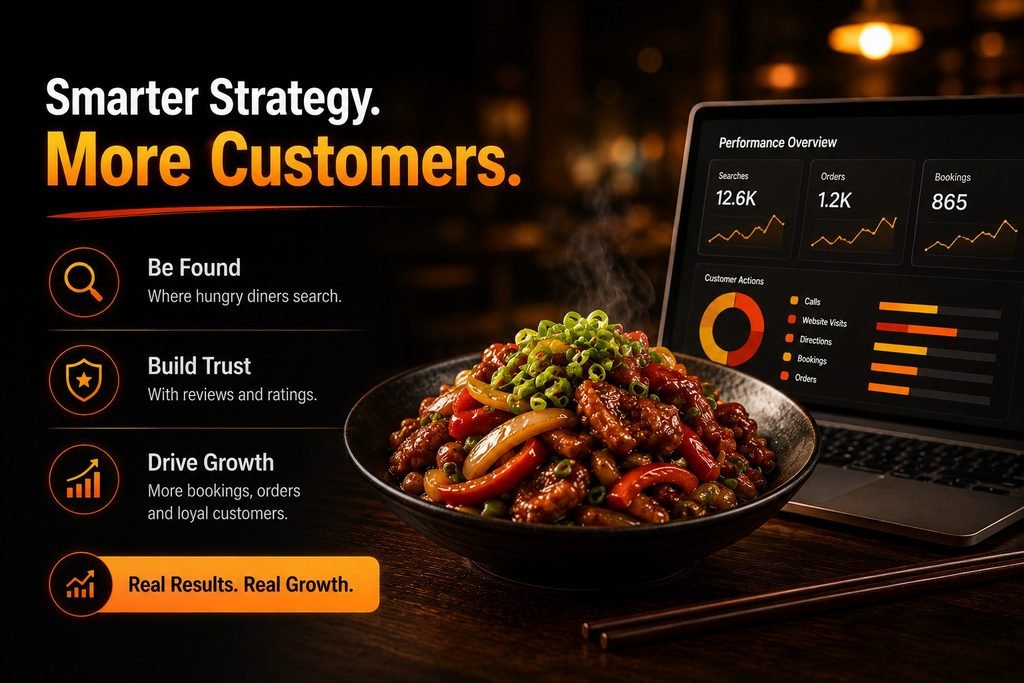
    • Google Business Profile searches
    • Website traffic from local searches
    • Menu clicks
    • Online orders
    • Table bookings
    • Phone calls
    • Direction requests
    • Review volume and sentiment
    • Conversion rate

    Google’s restaurant Business Profile guidance specifically highlights searches, menu interactions, and bookings as useful performance metrics.

    Frequently Asked Questions

    What is digital marketing for restaurants?

    It is the use of online channels such as SEO, Google Business Profile, social media, websites, reviews, email, and paid advertising to attract and convert restaurant customers.

    Is SEO worth it for a small restaurant?

    Yes. Local SEO can help smaller restaurants compete for searches from nearby customers, particularly when their Google Business Profile and website are well optimized.

    How long does restaurant SEO take?

    SEO is a long-term strategy. Some improvements can appear relatively quickly, while meaningful organic growth usually requires consistent optimization, useful content, technical improvements, and authority-building over time.

    Should restaurants focus on social media or SEO?

    Ideally, both. Social media helps restaurants engage audiences and create demand, while SEO captures people actively searching for restaurants, dishes, and dining options.

    Conclusion

    Effective digital marketing for restaurants is not about being everywhere online. It is about being visible in the right places when hungry customers are ready to make a decision.

    Start with a complete Google Business Profile, build a useful and mobile-friendly website, target relevant local searches, collect genuine reviews, and use social media to showcase what makes your restaurant different.

    Most importantly, measure actions that matter—calls, bookings, orders, visits, and revenue.

    When your digital strategy connects visibility with real customer actions, SEO stops being just a marketing exercise and becomes a growth channel for your restaurant.

  • Zero-Click Marketing in 2026: Can Brands Win Without a Click?

    Zero-Click Marketing in 2026: Can Brands Win Without a Click?

    Search is changing faster than most businesses realize. People no longer need to visit a website to get an answer. Google can provide information directly in search results, while AI-powered search tools can summarize answers, compare options, and recommend sources without requiring a traditional website visit.

    That shift has created a new challenge for businesses: How do you market your brand when the customer doesn’t click?

    This is where Zero-Click Marketing comes in.

    Instead of focusing only on getting visitors to a website, brands are increasingly competing for visibility, credibility, mentions, and engagement directly within search results and AI-generated answers.

    What Is Zero-Click Marketing?

    Zero-click marketing is a digital marketing approach focused on reaching and influencing people even when they don’t click through to a website.

    A user might search for “best digital marketing agency for small businesses” and see a list, AI-generated summary, local result, or other information directly on the search page. They may never visit a company’s website, but they can still discover and remember the brand.

    Common zero-click search experiences include:

    • Featured snippets
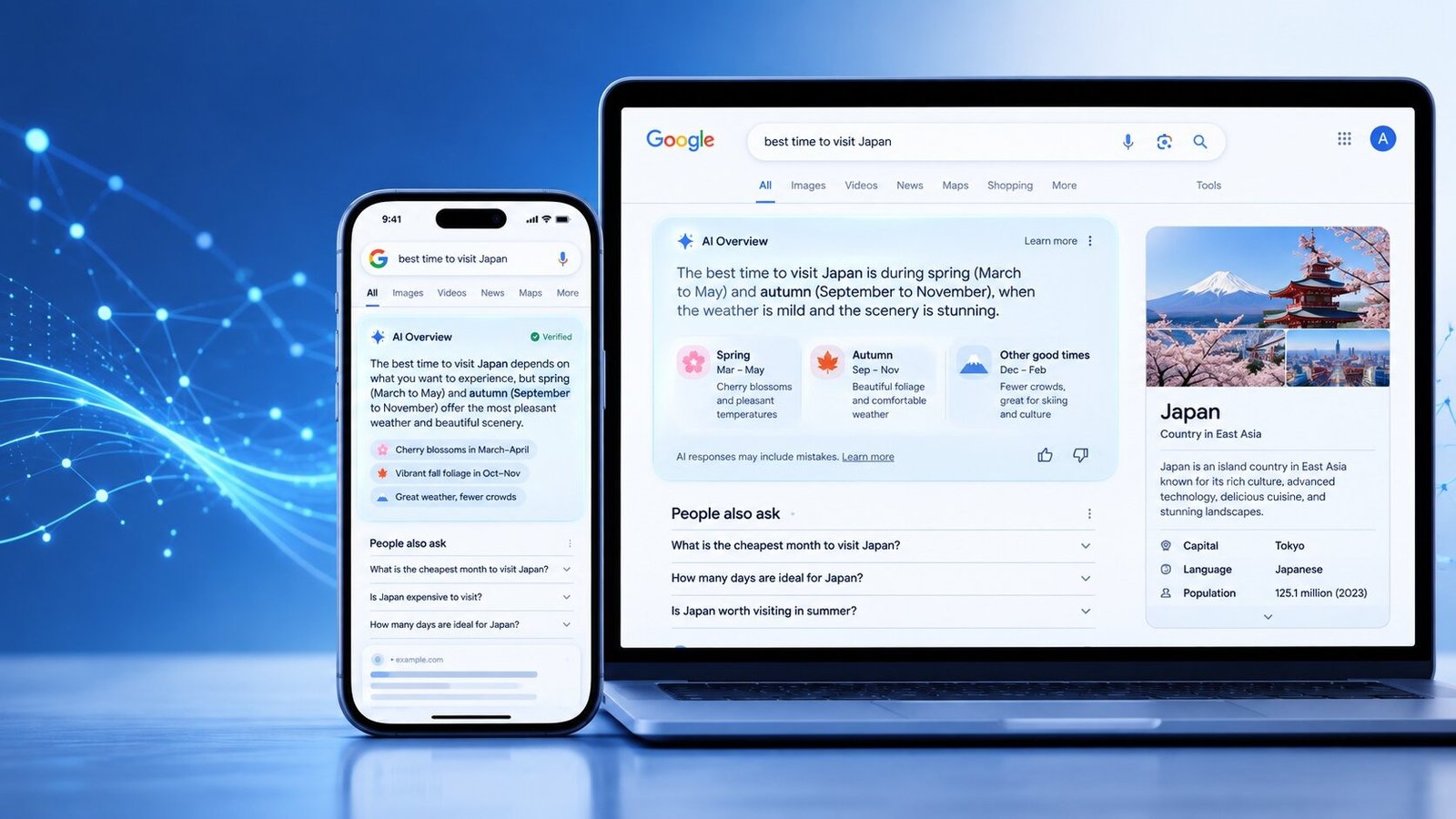
    • AI Overviews
    • People Also Ask results
    • Local packs and business profiles
    • Knowledge panels
    • Direct answers
    • AI-generated search summaries
    • Voice search answers

    The goal isn’t to eliminate website traffic. Instead, it’s to make sure your brand remains visible and useful throughout the customer’s search journey.

    Why Zero-Click Marketing Matters in 2026

    Search behavior is becoming more conversational and answer-driven.

    People increasingly ask complete questions rather than typing a few keywords. At the same time, AI-powered search can summarize information before a user decides whether they need to visit a website.

    For businesses, this creates both a challenge and an opportunity.

    The challenge: fewer clicks

    A user may get enough information from the search results to stop searching. That can reduce traditional organic click-through rates for some queries.

    The opportunity: more brand exposure

    Even without a click, your business can appear in:

    • AI-generated answers
    • Featured snippets
    • Search result summaries
    • Local results
    • “People Also Ask” sections
    • Brand recommendations

    A customer who repeatedly sees your brand during relevant searches may develop familiarity and trust before ever visiting your website.

    AI Search and Zero-Click Searches

    AI search is one of the biggest forces behind the growth of zero-click experiences.

    Traditional search generally gives users a list of links. AI search can instead provide a summarized response and sometimes cite or reference sources used to generate that response.

    This changes what it means to “rank.”

    In the past, marketers often focused heavily on reaching position one. In an AI-driven search environment, businesses also need to consider whether their content is:

    • Clear enough for search engines to understand
    • Useful enough to be referenced
    • Structured around real user questions
    • Supported by credible information
    • Relevant to a specific audience

    This is why content quality and topical authority matter more than simply repeating keywords.

    How Zero-Click Search Affects SEO

    Zero-click search doesn’t make SEO irrelevant. It changes what successful SEO looks like.

    Traditional SEO often focuses on rankings, organic traffic, and clicks. Modern SEO needs a broader measurement framework.

    1. Visibility becomes more important

    A business can benefit from appearing in an answer even if the user doesn’t immediately click.

    For example, a marketing agency that is mentioned in an AI-generated answer about “best strategies for local businesses” may gain brand recognition.

    2. CTR isn’t the only metric

    Click-through rate remains important, but marketers should also watch:

    • Search impressions
    • Brand searches
    • SERP visibility
    • Mentions
    • Conversions
    • Engagement
    • Qualified traffic

    3. Content must answer questions directly

    Instead of writing long articles filled with keywords, create content that solves specific problems.

    For example, instead of targeting only “digital marketing,” create useful sections answering:

    “How much does digital marketing cost for a small business?”

    “Which digital marketing channel should a new business use first?”

    These direct answers are more likely to match conversational searches.

    Digital Marketing in a Zero-Click World

    Winning in a zero-click environment requires a shift from “How do I get the click?” to “How do I become the answer?”

    Here are practical strategies businesses can use.

    Create answer-focused content

    Build content around real customer questions. Use clear headings, concise explanations, examples, statistics, and FAQs.

    Optimize for search features

    Structure important information so search engines can easily understand it. Lists, definitions, tables, FAQs, and concise answers can make content easier to interpret.

    Build topical authority

    One article rarely establishes expertise. Create connected content around your core subject.

    For a digital marketing agency, this could include SEO, content marketing, paid advertising, social media, AI search, local SEO, and analytics.

    Strengthen your brand

    Zero-click marketing makes brand recognition increasingly valuable.

    If people repeatedly encounter your business in search results, social media, reviews, industry publications, and AI-generated answers, that exposure can influence future decisions.

    Don’t abandon your website

    Zero-click marketing is not an argument for ignoring your website.

    Your website remains important for deeper information, lead generation, conversions, case studies, services, and customer relationships.

    The smarter approach is to use search visibility to bring your brand into the conversation—and your website to turn interest into action.

    A Simple Example

    Imagine a small business owner searches:

    “How can I get more customers from Google?”

    They see an AI-generated answer explaining local SEO, Google Business Profile optimization, reviews, and helpful content.

    Your agency’s website isn’t clicked.

    At first, that might look like a missed opportunity.

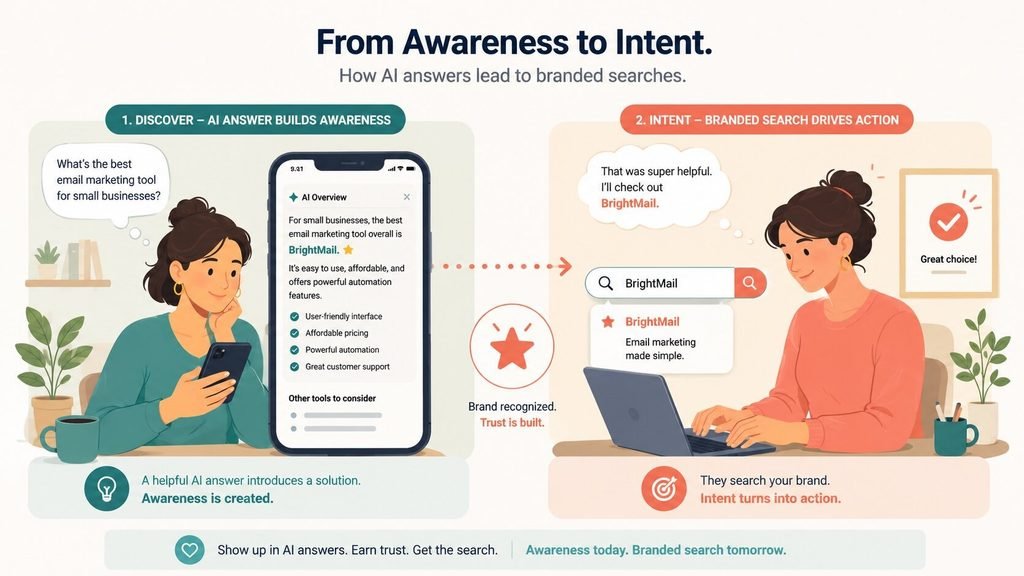
    But if your agency’s expertise helped inform the search result and your brand is mentioned or recognized, the customer may remember your name. Later, they may search your agency directly. 

    The first interaction created awareness. The later branded search created intent.

    That’s the bigger idea behind zero-click marketing.

    FAQ

    Is zero-click marketing replacing SEO?

    No. It is changing how SEO works. Rankings and organic traffic still matter, but brands also need to optimize for visibility within search features and AI-powered answers.

    Are zero-click searches bad for businesses?

    Not necessarily. They can reduce clicks for some searches, but they can also increase brand exposure and establish credibility before a customer visits a website.

    How can a business optimize for zero-click search?

    Create direct, useful answers to customer questions, use clear content structures, build topical authority, maintain accurate business information, and establish strong brand credibility.

    Does AI search make websites unnecessary?

    No. Websites remain essential for detailed information, lead generation, products, services, and conversions. AI search simply adds another layer to the customer journey.

    What should marketers measure in 2026?

    Look beyond clicks. Track impressions, SERP visibility, branded searches, mentions, qualified traffic, leads, and conversions to understand the full impact of search visibility.

    Conclusion: Can Brands Win Without a Click?

    Yes—but they need to change what they consider a win.

    In 2026, a successful search strategy isn’t only about sending users from Google to your website. It’s also about becoming a trusted source when customers ask questions, compare options, and look for solutions.

    Zero-click marketing doesn’t mean clicks no longer matter. It means the click is no longer the only valuable outcome.

    Brands that consistently provide useful answers, demonstrate expertise, strengthen their reputation, and show up across modern search experiences can build demand long before a customer visits their website.

    The future of digital marketing may not belong to the brand that gets every click.

    It may belong to the brand that gets remembered before the click ever happens.

  • Complete Digital Marketing Strategy for Makeup Artists in India (Step-by-Step)

    Complete Digital Marketing Strategy for Makeup Artists in India (Step-by-Step)

    A digital marketing strategy for makeup artists can make it easier for the right clients to discover your work, trust your expertise and book your services.

    For a makeup artist, beautiful work is only half the business. The other half is making sure the right people discover that work, trust you and know how to book you.

    That is where a digital marketing strategy for makeup artists becomes important. Whether you specialise in bridal makeup, party makeup, HD makeup or destination weddings, your potential clients are already searching online.

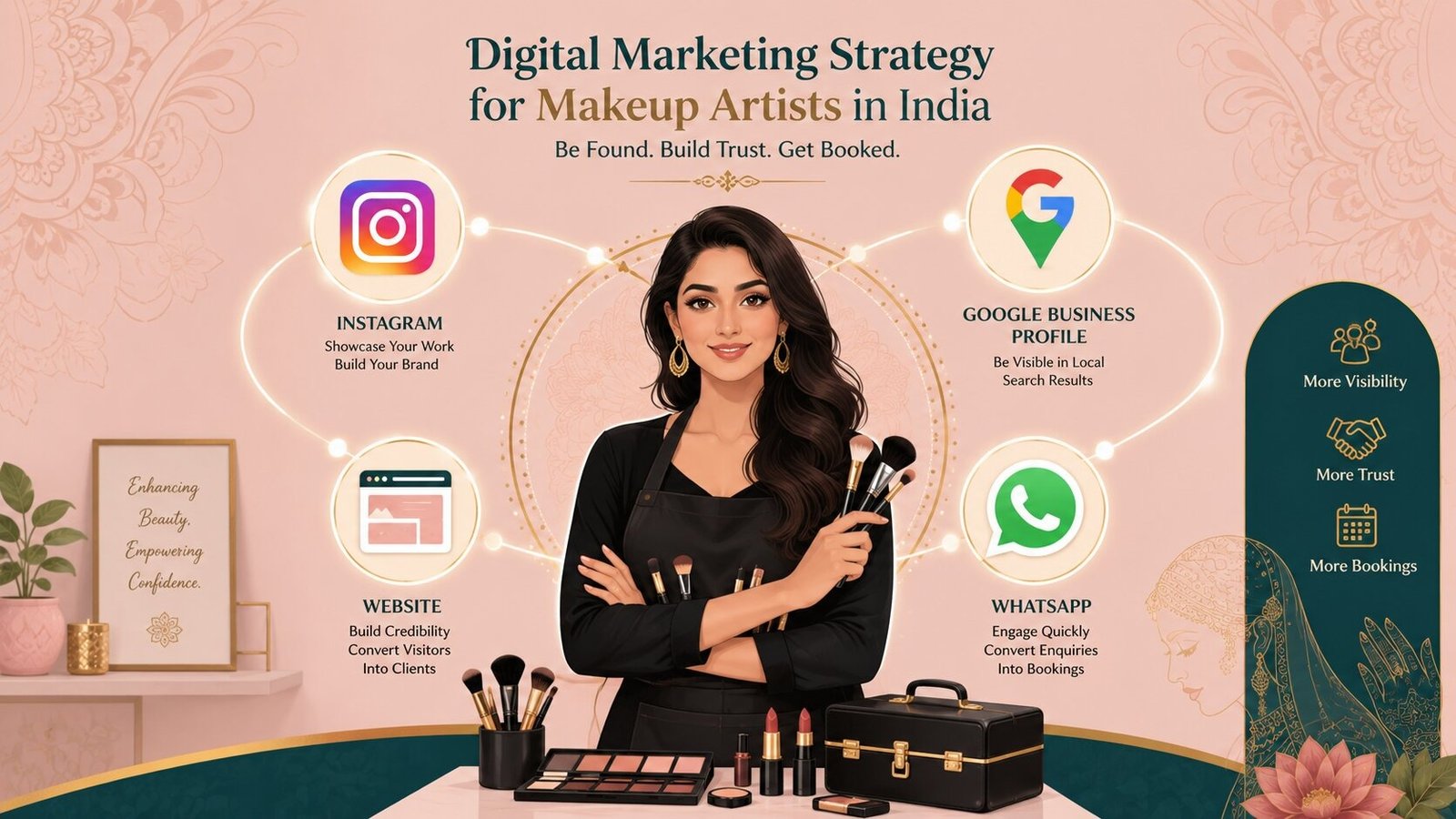
    Instagram may help them discover you. Google can help them find you when they are ready to book. WhatsApp can turn that interest into an enquiry.

    The goal is not to be everywhere. It is to build a simple system where each channel has a clear job.

    Google also recommends creating useful, people-first content rather than content written only to manipulate search rankings.

    Step 1: Define Your Makeup Artist Brand

    Before posting content, decide what you want to be known for.

    A beginner might describe herself as:

    “Bridal makeup artist in Jaipur specialising in natural and HD bridal looks.”

    That is much stronger than simply saying “Makeup Artist.”

    Define:

    • Your speciality
    • Your ideal client
    • Your service area
    • Your price positioning
    • Your signature style

    For example, if you primarily serve brides in Kolkata, your website, Instagram bio and Google Business Profile should make that clear.

    This gives search engines and potential clients a stronger understanding of your business.

    Step 2: Build a Strong Instagram Presence

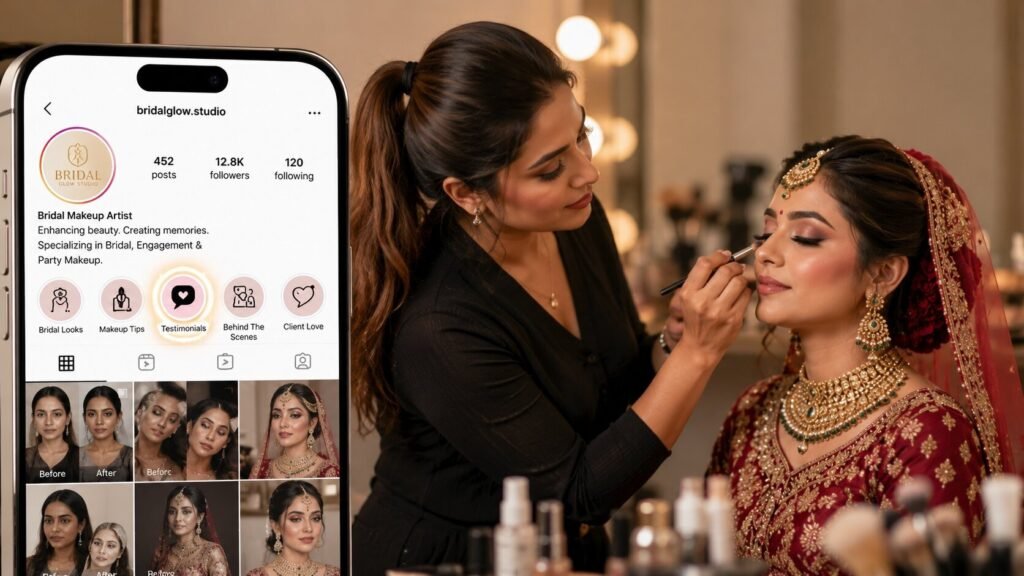
    For many makeup artists, Instagram works like a digital portfolio.

    Your profile should answer three questions immediately:

    1. What do you offer?
    2. Where do you work?
    3. How can someone book you?

    What Should Makeup Artists Post?

    Use a mix of content rather than uploading only finished makeup photos.

    Try:

    • Before-and-after transformations
    • Bridal Reels
    • Client testimonials
    • Behind-the-scenes videos
    • Makeup tips
    • Skin-preparation advice
    • Short tutorials
    • Wedding-day moments
    • FAQs about packages and bookings

    For example, instead of posting a bridal photograph with only “Beautiful bride,” write:

    “Soft Bengali bridal makeup for a morning wedding in Kolkata. Looking for a similar look? WhatsApp us to check your wedding date.”

    The second version gives context and a clear next step.

    Step 3: Create a Google Business Profile

    Instagram helps people discover your work, but Google can capture people actively looking for a service.

    Create and fully complete your Google Business Profile with:

    • Business name
    • Correct category
    • Phone number
    • Website
    • Service areas
    • Business hours
    • Portfolio images
    • Services
    • Reviews

    Google says local results are mainly influenced by relevance, distance and prominence. Complete and accurate business information helps Google understand which searches your business is relevant to.

    Local SEO Tips for Makeup Artists

    Use location-specific phrases naturally on your website and profile, such as:

    • Bridal makeup artist in Kolkata
    • Makeup artist in Pune
    • HD bridal makeup artist in Delhi
    • Wedding makeup artist in Bangalore

    Do not repeat the same keyword unnaturally. Instead, create useful pages and content around the cities and services you genuinely serve.

    Ask happy clients for genuine Google reviews, and respond professionally to them. Reviews can also contribute to local prominence.

    Step 4: Create a Simple Makeup Artist Website

    You do not need a complicated website when starting out.

    A professional website should include:

    Homepage

    Clearly explain who you are, where you work and your main services.

    Portfolio

    Show your best work with high-quality, relevant images.

    Services

    Explain bridal, engagement, party and other packages.

    About

    Tell your story, experience and approach to makeup.

    Contact

    Make booking easy with WhatsApp, phone and an enquiry form.

    Optimise page titles and headings around the services and locations you actually target. Google recommends clear, concise titles and useful descriptions that accurately represent the page.

    Step 5: Use WhatsApp to Convert Enquiries

    Getting a lead is not the same as getting a booking.

    Your next job is to make communication easy.

    Create a professional WhatsApp Business profile and prepare quick replies for common questions such as:

    • Bridal package pricing
    • Availability
    • Location
    • Trial makeup
    • What’s included
    • Booking advance
    • Cancellation policy

    For example:

    Client: “Hi, I need bridal makeup for 15 December. Are you available?”

    Instead of sending only “Yes,” provide the next useful information:

    “Hi! Yes, the date is currently available. Our bridal packages start from ₹X and include ____. Please share your wedding location and function timings, and I’ll recommend the right package.”

    That keeps the conversation moving.

    Step 6: Build Trust With Reviews and Collaborations

    Makeup is a personal service. Clients want proof that you can deliver.

    Collect genuine testimonials and showcase them across your marketing channels.

    You can also collaborate with:

    • Wedding photographers
    • Bridal boutiques
    • Mehendi artists
    • Hair stylists
    • Wedding planners
    • Jewellery stores

    For example, a photographer can tag you in a bridal shoot, while you credit the photographer when sharing the final images.

    These partnerships can introduce your work to an audience that already includes potential brides.

    Step 7: Consider Paid Advertising

    Organic marketing takes time. Paid advertising can help you reach potential clients faster when used strategically.

    Start with one clear offer instead of promoting everything.

    For example:

    “Bridal Makeup Packages for 2026 Weddings — Check December Availability.”

    Target your actual service area and send clicks to a relevant landing page or WhatsApp conversation.

    Track:

    • Ad spend
    • Enquiries
    • Qualified leads
    • Bookings
    • Cost per booking

    Do not judge an advertisement only by likes or views. A campaign generating fewer clicks but more bookings may be much more valuable.

    Step 8: Measure What Is Working

    A good marketing strategy should improve over time.

    Every month, record:

    MetricWhat It Tells You
    Instagram reachHow many people discover you
    Profile visitsInterest in your brand
    Website trafficSearch and referral demand
    WhatsApp enquiriesPotential customers
    Qualified leadsSerious prospects
    BookingsActual business results
    Cost per bookingPaid marketing efficiency
    ReviewsCustomer trust and local visibility

    If Instagram generates attention but few enquiries, improve your calls to action.

    If Google generates enquiries but few bookings, examine your pricing, portfolio, response time and sales process.

    How to Get More Clients as a Makeup Artist

    The strongest approach is not to depend on one platform.

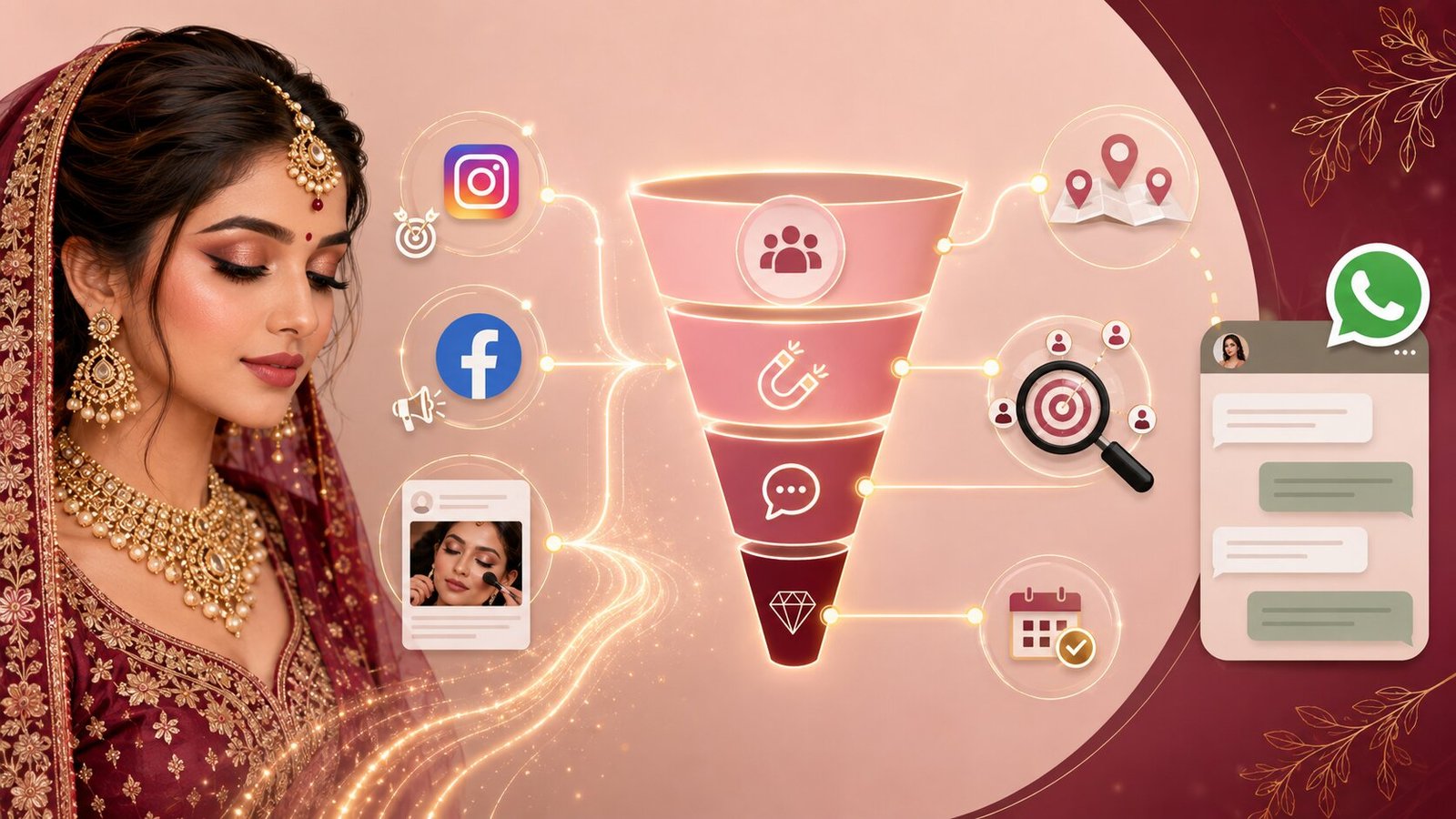
    Think of your marketing as a funnel:

    Google/Instagram → Website/Profile → WhatsApp → Enquiry → Consultation → Booking → Review → Referral

    For example, a bride may discover your Reel, search your name on Google, look at your reviews, visit your portfolio and then message you on WhatsApp.

    Your job is to make every step reassuring and easy.

    FAQ

    1. What is the best marketing strategy for a beginner makeup artist?

    Start with a strong Instagram portfolio, Google Business Profile, WhatsApp Business account and a simple website. Focus on building reviews and local visibility before trying too many channels.

    2. How often should a makeup artist post on Instagram?

    Consistency matters more than posting constantly. Aim for a manageable schedule of useful Reels, portfolio posts, testimonials and educational content.

    3. Should makeup artists run Google Ads or Instagram Ads?

    Both can work, but the right choice depends on your location, audience, offer and budget. Test one campaign at a time and measure enquiries and bookings rather than vanity metrics.

    4. How can I promote my makeup business without a big budget?

    Focus on local SEO, Instagram content, genuine client reviews, referrals and collaborations with wedding vendors. These can build visibility without requiring a large advertising budget.

    5. What are some good “how to promote makeup artist business” quotes?

    Use short, benefit-focused lines such as “Your portfolio gets attention; your customer experience gets referrals.” Another useful principle is: “Don’t market only the makeup—market the confidence your client feels wearing it.”

    Conclusion

    A successful digital marketing strategy for makeup artists does not require being an expert in every marketing channel.

    Start with the basics: define your niche, build a credible portfolio, optimise Google and Instagram, make WhatsApp enquiries easy, collect genuine reviews and track your bookings.

    Then improve one part of the system at a time.

    The makeup artists who stand out online are not necessarily the ones posting the most. They are the ones who make it easy for the right client to discover them, trust their work and take the next step.

    That is the real purpose of digital marketing: turning your talent into a predictable source of enquiries and bookings.

  • Why Paid Ads Don’t Work for Makeup Artists in India, And How to Fix Them 

    Why Paid Ads Don’t Work for Makeup Artists in India, And How to Fix Them 

    If you’re a makeup artist in India running Facebook or Instagram ads but getting plenty of views and clicks without enough bookings, you may be wondering why paid ads don’t work for makeup artists in India.

    Your targeting, ad creative, offer, enquiry process, or online presence could be preventing interested people from becoming paying clients.

    In this guide, we’ll break down the most common reasons paid ads fail for makeup artists and show you how to identify and fix them, so you can focus on generating bookings, not just clicks and engagement.

    Why Paid Ads Don’t Work for Makeup Artists in India

    Makeup is a highly visual and trust-driven service. A bride is not simply buying makeup; she is trusting someone with one of the most photographed days of her life.

    That makes advertising different from selling an ordinary product.

    A successful campaign needs to connect four things:

    • The right audience
    • The right creative
    • A compelling offer
    • A simple path to enquiry and booking

    If even one of these is weak, your campaign may get clicks without getting clients.

    1. Your targeting is too broad

    One of the most common paid ads mistakes makeup India businesses make is targeting everyone interested in beauty.

    A person who follows makeup tutorials is not necessarily looking for a professional makeup artist.

    Instead, think about buying intent and location. A bridal makeup artist in Mumbai, for example, may want to reach women planning weddings in Mumbai and nearby areas rather than simply targeting people interested in “makeup.”

    Meta itself recommends building audiences around the people most likely to respond and using location and other audience signals appropriately.

    Your campaign should answer:

    • Where do my ideal clients live?
    • Are they brides, bridesmaids, wedding guests, or party clients?
    • What type of makeup do they need?
    • What price range are they comfortable with?
    • How far am I willing to travel?

    Specificity usually beats a generic “women interested in makeup” audience.

    2. Your ad looks beautiful—but doesn’t sell

    Another major reason Facebook ads not working makeup artist India campaigns struggle is that the creative focuses entirely on aesthetics.

    A stunning bridal photograph may get attention, but attention isn’t the same as intent.

    Your ad should quickly communicate:

    Who you help + what you offer + where you work + why you’re different + what to do next.

    For example:

    “Bridal Makeup Artist in Kolkata | HD & Waterproof Bridal Makeup | 2026 Wedding Dates Now Open | Enquire on WhatsApp”

    That is much clearer than:

    “Enhance your natural beauty 

    The second sounds attractive. The first gives a potential client a reason to act.

    Meta recommends using high-quality visuals and compelling messaging, while also diversifying creative formats rather than relying on one type of ad.

    3. You are optimising for clicks instead of clients

    This is one of the biggest strategic mistakes.

    If your goal is bookings, getting inexpensive clicks isn’t enough.

    Imagine an ad campaign produces:

    • 10,000 impressions
    • 300 clicks
    • 25 enquiries
    • 2 bookings

    At first glance, 300 clicks may look impressive. But if those clicks don’t produce profitable bookings, the campaign needs fixing.

    Meta provides different campaign objectives for different goals. Its guidance specifically distinguishes traffic campaigns from lead-generation and conversion-focused campaigns.

    For a service business such as makeup artistry, measure the complete journey:

    Ad → enquiry → qualified lead → consultation → booking → revenue

    Not just likes, reach, or clicks.

    Why Instagram Ads Fail for Makeup Artists

    Instagram is particularly powerful for makeup artists because the service is visual. But that advantage can also create a trap.

    4. Your content attracts admirers, not buyers

    A glamorous transformation reel can receive thousands of views from people who simply enjoy beauty content.

    But your ideal customer may need very different information:

    • Bridal package pricing
    • Before-and-after results
    • Real bride testimonials
    • Available dates
    • Location and travel information
    • Products used
    • What is included in the package
    • How to book

    A useful strategy is to create different ads for people at different stages of the buying process.

    Cold audience: Show your style and expertise.

    Warm audience: Show testimonials, transformations, FAQs, and social proof.

    High-intent audience: Promote availability, packages, consultations, or booking enquiries.

    That gives potential clients a reason to move from “I like her work” to “I want to enquire.”

    5. Your offer is unclear

    “DM for bookings” is easy to ignore.

    A stronger offer might be:

    “Bridal Makeup Consultation + 2026 Wedding Availability — Enquire on WhatsApp.”

    You don’t necessarily need to discount your services. For premium makeup artists, discounts can sometimes attract price-sensitive leads rather than ideal clients.

    Instead, make the value obvious.

    For example, explain what the bridal package includes, whether a trial is available, how far you travel, and what makes your service different.

    6. Your enquiry process is losing leads

    Suppose your ad works perfectly and someone messages you.

    Then you reply six hours later with:

    “Hi, what date is your wedding?”

    That lead may already have contacted three other artists.

    For service businesses, speed and clarity matter.

    Create a simple response process:

    1. Ask the wedding/event date.
    2. Confirm the location.
    3. Understand the service required.
    4. Share the relevant package.
    5. Provide examples of your work.

    Meta also supports lead-generation formats that allow prospects to submit information through forms, messages, or calls, reducing friction between seeing an ad and contacting a business.

    7. Your landing page or Instagram profile doesn’t build enough trust

    Getting someone to click is only half the job.

    If your profile has inconsistent photos, no testimonials, unclear location, and no obvious booking process, the potential client may leave.

    Google similarly emphasises the importance of relevance between an advertisement and its landing page, along with clear calls to action and mobile-friendly experiences.

    Paid ads are not the only way potential clients can discover your business. Many brides also search for makeup artists directly on Google before making a decision. If you’re appearing in local searches but still not receiving enquiries, learn more about [why makeup artists are not getting clients from Google Business Profile] and what you can do to improve your local visibility. 

    Your profile or landing page should make these questions easy to answer:

    Who are you? Where do you work? What type of clients do you serve? What does your work look like? What do previous clients say? How can I enquire?

    A Better Paid Ads Strategy for Makeup Artists

    Before increasing your budget, fix the fundamentals.

    Start with:

    • One clearly defined ideal client
    • One specific geographic market
    • Multiple creative concepts
    • A clear service or booking offer
    • Strong testimonials and portfolio content
    • A simple WhatsApp, form, or messaging journey

    For example, instead of running one generic “Bridal Makeup” ad, test three angles:

    Ad A: Bridal transformation video
    Ad B: Real bride testimonial
    Ad C: “2026 wedding dates available” booking-focused creative

    FAQ: Paid Ads for Makeup Artists in India

    Are Facebook ads worth it for makeup artists?

    Yes, when the campaign is built around the right audience, offer, creative, and conversion process. Paid advertising cannot compensate for unclear positioning or weak follow-up.

    Why am I getting enquiries but no bookings?

    Your targeting may be attracting low-intent prospects, or your pricing, offer, portfolio, communication, or follow-up may not be convincing enough.

    Should makeup artists advertise on Facebook or Instagram?

    Both can work. Rather than choosing based purely on platform preference, test different creatives and measure qualified enquiries and bookings.

    How much should a makeup artist spend on ads?

    There is no universal budget. Start with an amount you can afford to test consistently, then evaluate the cost per qualified enquiry and, ultimately, cost per booking.

    Should I offer discounts in my ads?

    Not necessarily. A strong portfolio, clear package, limited availability, consultation, or compelling value proposition can often be more appropriate than discounting a premium service.

    Getting more makeup bookings online requires more than simply increasing your ad budget. Your paid ads, social media, website, and Google presence all need to work together. If you’re looking for a complete approach to attracting more clients online, explore our guide to digital marketing for makeup artists. 

    Conclusion

    The real answer to why paid ads don’t work for makeup artists in India is usually not that advertising is ineffective. It’s that the campaign is asking advertising to solve problems that should have been fixed beforehand.

    The strongest campaigns connect the right bride with the right message at the right moment—and then make it easy for her to enquire.

    If your ads are getting attention but not bookings, don’t immediately increase the budget.

    NEED HELP?

    Digital marketing can feel complicated when you’re trying to manage everything yourself. From building your online presence and creating content to SEO, social media, paid advertising and generating enquiries, you don’t have to do it alone. Kolkata Digital helps makeup artists and beauty businesses build practical digital marketing strategies designed to attract the right audience and grow their business online.

    Get in touch for a consultation.

  • Facebook Ads Strategy for Makeup Artists in India: How to Get More Bookings in 2026

    Facebook Ads Strategy for Makeup Artists in India: How to Get More Bookings in 2026

    If you’re a makeup artist in India, Instagram and Facebook can do more than showcase your work—they can help you reach potential clients who are actively considering booking a makeup artist.

    But just boosting is not the same as running a successful campaign. Your ad results depend on your audience, location, creative, offer, budget, landing experience and how you handle enquiries.

    This guide explains how makeup artists can use Facebook and Instagram Ads to reach the right audience, create effective ad campaigns, generate relevant enquiries, and turn those enquiries into bookings. Digital marketing for makeup artists guide — start there first if you haven’t nailed down your overall marketing plan yet.

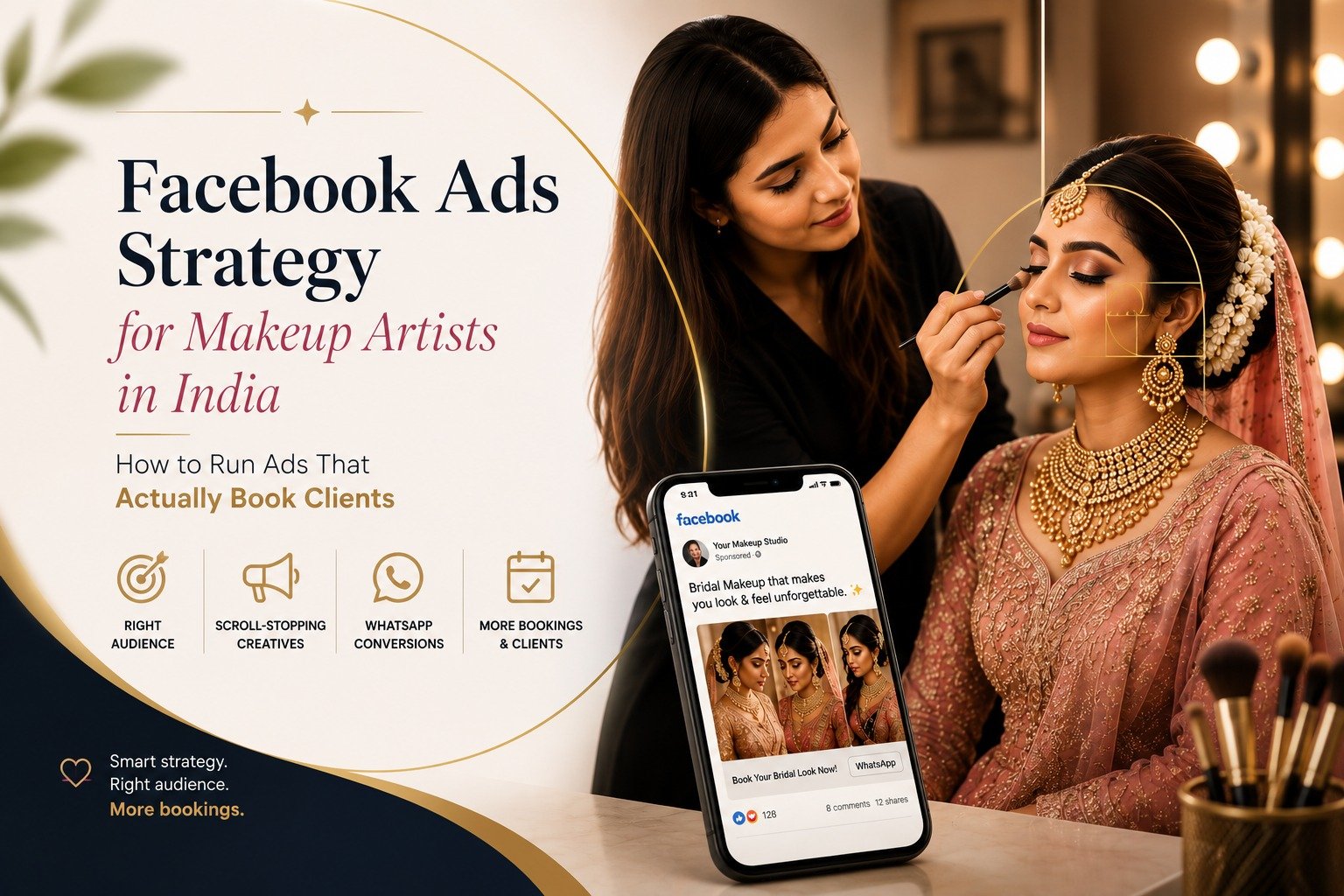
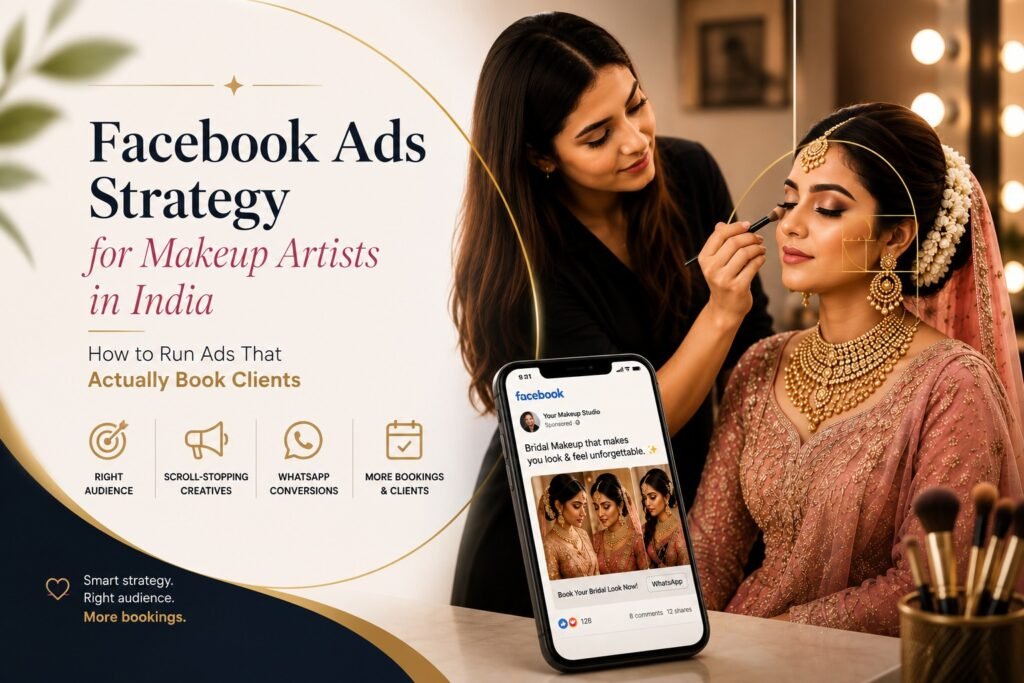
    Facebook Ads strategy for makeup artists in India to attract bridal makeup clients and increase bookings

    Why Facebook (and Instagram) Ads Work So Well for MUAs

    Why Meta Ads Work So Well for Makeup Artists

    Makeup is a highly visual service, which makes Facebook and Instagram useful platforms for showcasing your work and reaching potential clients.

    Meta Ads can help you:

    • Reach people in your target location
    • Showcase bridal transformations and portfolio work
    • Promote specific services or packages
    • Generate enquiries through WhatsApp, forms or other contact options
    • Reconnect with people who have already interacted with your business
    • Test different creatives and audiences to understand what attracts relevant prospects

    The key is to focus on relevant enquiries and bookings, rather than simply chasing impressions, clicks or followers.

    A successful campaign should connect four things:

    Right audience → Relevant creative → Clear offer → Easy enquiry process

    Before You Spend a Rupee: Get the Foundation Right

    Before You Run Meta Ads

    Paid advertising works best when the basics of your business are already in place. Before launching your first campaign, make sure a potential client can easily understand who you are, what you offer and how to contact you.

    Your pre-launch checklist

    Professional Instagram profile
    Your bio should clearly mention your speciality, location and booking method.

    Strong portfolio
    Show real bridal and makeup work that represents the services you want to promote.

    Clear offer
    Decide exactly what you’re advertising—bridal makeup, engagement makeup, party makeup or a specific package.

    Easy enquiry process
    Make sure potential clients can contact you through WhatsApp, a lead form, phone or your website.

    Social proof
    Add genuine client reviews, testimonials and client experiences wherever appropriate.

    Clear service area
    Know exactly which locations you are willing to serve. This helps prevent your budget from being spent on irrelevant audiences.

    A way to track results
    Set up appropriate conversion tracking so you can understand which campaigns are generating enquiries and bookings.

    Once these basics are ready, you can start building your Meta Ads campaign.

    Choosing the Right Campaign Objective

    Meta simplified its ad objectives down to six under what it calls Outcome-Driven Ad Experiences: Awareness, Traffic, Engagement, Leads, App Promotion, and Sales. As a makeup artist, you’ll realistically only ever touch three of these:

    • Leads — best default choice. Meta shows your ad to people likely to fill a form, message you, or click to WhatsApp, and optimizes delivery toward that specific action.
    • Traffic — useful in your very first week or two if you want cheaper data and to build a retargeting audience while you’re still learning what creative works, but it optimizes for clicks, not enquiries.
    • Engagement — worth using only for a specific goal, like growing comments/saves on a viral-style reel that you’ll then use as social proof — not for booking clients directly.

    Avoid Awareness and Sales for now. Awareness is built for pure reach, not action, and Sales is built around e-commerce purchase events most solo MUAs and small studios don’t have the volume to feed properly.

    If you’re weighing Meta ads against search intent instead, our guide to Google Ads for bridal makeup artists covers the step-by-step setup for that platform — the two work best run together rather than as a either/or choice, since Google catches people actively searching while Meta catches them while they’re still deciding.

    One practical note: Meta now defaults most campaigns into its Advantage+ automated setup, which hands over a lot of the targeting and placement decisions to its algorithm. For a local service business, this isn’t necessarily bad — but you should still set the objective, location radius, and budget deliberately rather than accepting every default.

    Targeting: Getting in Front of the Right Local Audience

    This is where most makeup artist ad accounts leak money. A few rules that matter more than any specific interest you pick:

    • Location first, interests second. Set a radius around your studio, or around the specific wedding-heavy localities you serve, before you touch anything else.
    • Age range matched to reality. Bridal makeup clients in most Indian metros skew 22–34; party/festive clients run wider. Don’t default to Meta’s broadest range.
    • Layer in relevant interests lightly — wedding planning, bridal wear, jewellery brands, wedding photography pages — but don’t stack five interest categories, which shrinks your audience unnecessarily.
    • Build a retargeting audience from day one. Anyone who watched 50%+ of your video ad, visited your page, or messaged you but didn’t book is your warmest audience. A second, smaller-budget campaign aimed only at these people almost always converts cheaper than cold targeting.
    • Use a Lookalike Audience once you have 100+ past enquiries or bookings. This is one of the highest-leverage moves available once you have that data — it tells Meta “find me more people like the ones who already booked.”

    Creative That Actually Books Clients

    For makeup artists specifically, three formats consistently outperform generic posts:

    • Before/after transformation videos, 10–20 seconds, vertical, filmed on the client rather than staged.
    • Bridal look carousels — 5–8 images from a single real bridal shoot, captioned with the package details.
    • A short “meet the artist” video — even 15 seconds of you talking to camera about your process builds the trust that stock-looking ad creative can’t.

    Every ad should include a clear, low-friction call to action: “WhatsApp us for your bridal trial slot” converts far better than “Learn more.” And test at least 3–4 creative variants per campaign — with a small daily budget, Meta needs volume across variants to figure out which one your audience actually responds to.

    Budgets and Bidding for Small Local Businesses

    You don’t need a large budget to start — you need a consistent one. A daily budget of ₹300–₹700, run for at least 5–7 days per creative test, is enough to get real signal for most single-city MUA accounts. Resist the urge to pause and restart campaigns every day or two; every restart resets Meta’s learning phase and makes your cost per result look worse than it actually is.

    Split your monthly budget roughly like this once you’re past initial testing:

    • 60–70% on your best-performing Leads campaign, targeted locally
    • 15–20% on retargeting website/profile visitors and video viewers
    • 10–15% kept aside for testing new creative or a seasonal push (wedding season, festive season)

    Common Mistakes That Waste Ad Spend

    • Boosting posts from the Facebook app instead of building campaigns in Ads Manager, which gives you almost no targeting or objective control.
    • Sending traffic to a slow, unoptimized website instead of a one-tap WhatsApp or DM destination.
    • Changing the objective or audience every 2–3 days instead of letting the learning phase settle.
    • Running one single ad to “everyone in my city” instead of separating bridal, party, and academy/course enquiries into their own campaigns, since each has a different audience and message.
    • No follow-up system — the ad’s only job is to start the conversation; a slow or missed WhatsApp reply is where most actual bookings are lost.

    If you’ve tried ads before and they didn’t work, it’s worth ruling out the usual causes before writing off the channel — our post on why paid ads fail for most makeup artists in India breaks down the specific mistakes behind most disappointing ad results.

    A Simple Starting Campaign Structure

    For a solo or small-studio MUA just getting started, this structure keeps things manageable:

    1. Campaign 1 — Leads, Bridal: Location radius around your city, age 22–34, bridal-focused creative, WhatsApp as the destination.
    2. Campaign 2 — Leads, Party/Festive: Same setup, wider age range, party-look creative, run heavier around festive and event season.
    3. Campaign 3 — Retargeting: Small budget, targeted only at people who engaged with Campaigns 1 and 2 but haven’t messaged yet.

    Review cost per enquiry weekly, not daily, and only make one change at a time — either the creative, the audience, or the budget — so you can actually tell what moved the needle.

    FAQs

    How much should a makeup artist spend on Facebook ads per month in India?

    Most solo or small-studio MUAs see workable results starting around ₹8,000–₹15,000/month, split across a local Leads campaign and a smaller retargeting campaign, before scaling up what’s working.

    Is Instagram or Facebook better for makeup artist ads?

    You don’t have to choose — a single Meta campaign runs across both. In practice, Instagram placements usually drive more engagement for visual bridal/beauty content, while Facebook often pulls in an older, sometimes higher-budget client base.

    Should I use a landing page or just WhatsApp for ad clicks?

    For most MUAs starting out, a WhatsApp click-to-chat destination converts better because it removes every extra step between “interested” and “talking to you.” A landing page becomes worth building once you’re running higher volume and want to pre-qualify enquiries (budget, date, location) before the chat starts.

    Do Facebook ads work for makeup academies too, not just bridal bookings?

    Yes, but treat it as a separate campaign with its own audience — academy leads are typically aspiring artists searching for courses and certification, a different intent and age group than bridal or party clients.

    FEELING COMPLICATED?

    Don’t worry, you don’t have to do it alone. From choosing the right campaign objective and audience to creating ads, tracking results and optimising your campaigns, our team at KOLKATA DIGITAL can help you build and manage a strategy that works for you.

    Contact us now for a consultation.

  • Why Every Startup Needs a Digital Marketing Strategy

    Why Every Startup Needs a Digital Marketing Strategy

    Every startup begins with a dream.

    Maybe you’ve spent months building a product you truly believe in. Maybe you’ve quit a secure job to follow an idea that’s been on your mind for years. Or perhaps you’ve finally launched the business you’ve always wanted.

    But here’s the reality—having a great product isn’t enough anymore.

    No matter how innovative your idea is, people can’t buy from you if they don’t know you exist.

    That’s where digital marketing comes in.

    It’s not just about posting on Instagram or running a few Facebook ads. A well-planned digital marketing strategy helps startups get discovered, earn trust, attract the right customers, and grow without wasting precious time or money.

    The Biggest Challenge Isn’t Building a Startup—It’s Getting Noticed

    The internet is crowded.

    Every day, new businesses are launching, new websites are going live, and thousands of brands are competing for the same audience.

    Imagine opening a beautiful café on a street nobody walks through. The coffee may be excellent, but without visitors, the business won’t survive.

    Your website works the same way.

    If people can’t find you on Google, social media, or other digital platforms, your startup is missing countless opportunities every single day.

    Digital marketing is what brings people to your door.

    Your Customers Are Already Online

    Think about your own buying habits.

    Before purchasing anything, what do you do?

    You search on Google.
    You read reviews.
    You compare brands.
    You watch videos.
    You scroll through Instagram or LinkedIn.

    Your customers do exactly the same.

    Whether you’re selling software, fashion, healthcare services, education, or consulting, your audience is already searching online for solutions. The question is simple:

    Will they find your startup—or your competitor’s?

    A digital marketing strategy helps make sure the answer is yours.

    Trust Is the New Currency

    People don’t buy from businesses they don’t trust.

    Startups often face one common challenge—they’re new.

    Customers haven’t heard of them yet.

    That’s why building credibility should be just as important as generating sales.

    Publishing helpful blog articles, sharing customer stories, maintaining an active social media presence, collecting genuine reviews, and having a professional website all send the same message:

    “We’re here, we’re reliable, and we know what we’re doing.”

    Trust isn’t built overnight, but digital marketing helps build it consistently.

    Smart Marketing Beats Big Budgets

    Many founders believe they need a huge advertising budget to compete.

    The truth is, they don’t.

    Today’s digital world rewards relevance more than size.

    A startup with useful content, a fast website, and a smart SEO strategy can outrank larger competitors on Google.

    A short educational Reel can reach thousands of potential customers.

    One well-written blog can generate leads for months—or even years.

    It’s no longer about who spends the most.

    It’s about who provides the most value.

    Every Rupee Should Work Harder

    Startups rarely have unlimited marketing budgets.

    That’s why every investment matters.

    Unlike traditional advertising, digital marketing gives you clarity.

    You know how many people visited your website.
    You know which campaign generated enquiries.
    You know which keyword brought a customer.
    You know where your money is creating results—and where it isn’t.

    This allows startups to improve continuously instead of relying on guesswork.

    SEO Is a Long-Term Investment

    Paid advertising can bring quick traffic.

    SEO builds lasting visibility.

    Think of SEO like planting a tree.

    It takes time to grow, but once it does, it keeps delivering value with much lower ongoing costs.

    When your startup consistently appears on Google’s first page, customers begin finding you naturally—even while you’re sleeping.

    That’s one of the most valuable assets any growing business can have.

    The Future Belongs to Digital-First Businesses

    Marketing is changing faster than ever.

    Artificial Intelligence is helping businesses understand customer behaviour, automate repetitive tasks, personalize campaigns, and create better experiences.

    Voice search is growing.

    Video content continues to dominate attention.

    Search engines now reward websites that genuinely help users instead of simply stuffing keywords.

    The startups that succeed over the next five years won’t necessarily be the ones with the biggest teams.

    They’ll be the ones willing to adapt, learn, and connect with customers in meaningful ways.

    Technology will continue to evolve, but one thing won’t change:

    People will always choose brands they trust.

    Don’t Wait Until Growth Slows Down

    One mistake many startups make is thinking marketing can wait.

    “We’ll focus on marketing after we build the product.”

    Unfortunately, by then, valuable time has already been lost.

    Marketing shouldn’t begin after launch.

    It should grow alongside the business.

    Building your online presence early means that when your product is ready, your audience is already paying attention.

    That’s a much stronger position to be in than starting from zero.

    Final Thoughts

    Building a startup is exciting—but it’s also challenging.

    There will always be new competitors, changing customer expectations, and evolving technology. A strong digital marketing strategy won’t remove every obstacle, but it gives your startup something incredibly valuable: visibility.

    When people can find your business, trust your brand, and understand the value you offer, growth becomes much more achievable.

    In today’s world, digital marketing isn’t just another business expense—it’s one of the smartest investments a startup can make for its future.

    If you’re looking for a partner to accelerate your startup’s growth, Kolkata Digital is a trusted digital marketing agency in Kolkata that combines creativity, performance marketing, SEO, and data-driven strategies to help emerging businesses build a strong digital presence. From launch to scale, we help startups turn ideas into measurable growth. 

  • Digital Marketing vs Traditional Marketing: Which Works Better in 2026?

    Digital Marketing vs Traditional Marketing: Which Works Better in 2026?

    Digital marketing uses online channels like search, social media, and email to reach customers with measurable, trackable results, while traditional marketing uses offline channels like TV, print, radio, and billboards to build broad awareness without precise tracking. For most small and local businesses in 2026, digital marketing delivers a more cost-efficient and accountable return — but traditional marketing still has a role in building broad local trust, especially for certain audiences and industries.

    If you’ve already read our guide on what digital marketing is, this page goes deeper into exactly how it compares to the offline methods businesses have relied on for decades.

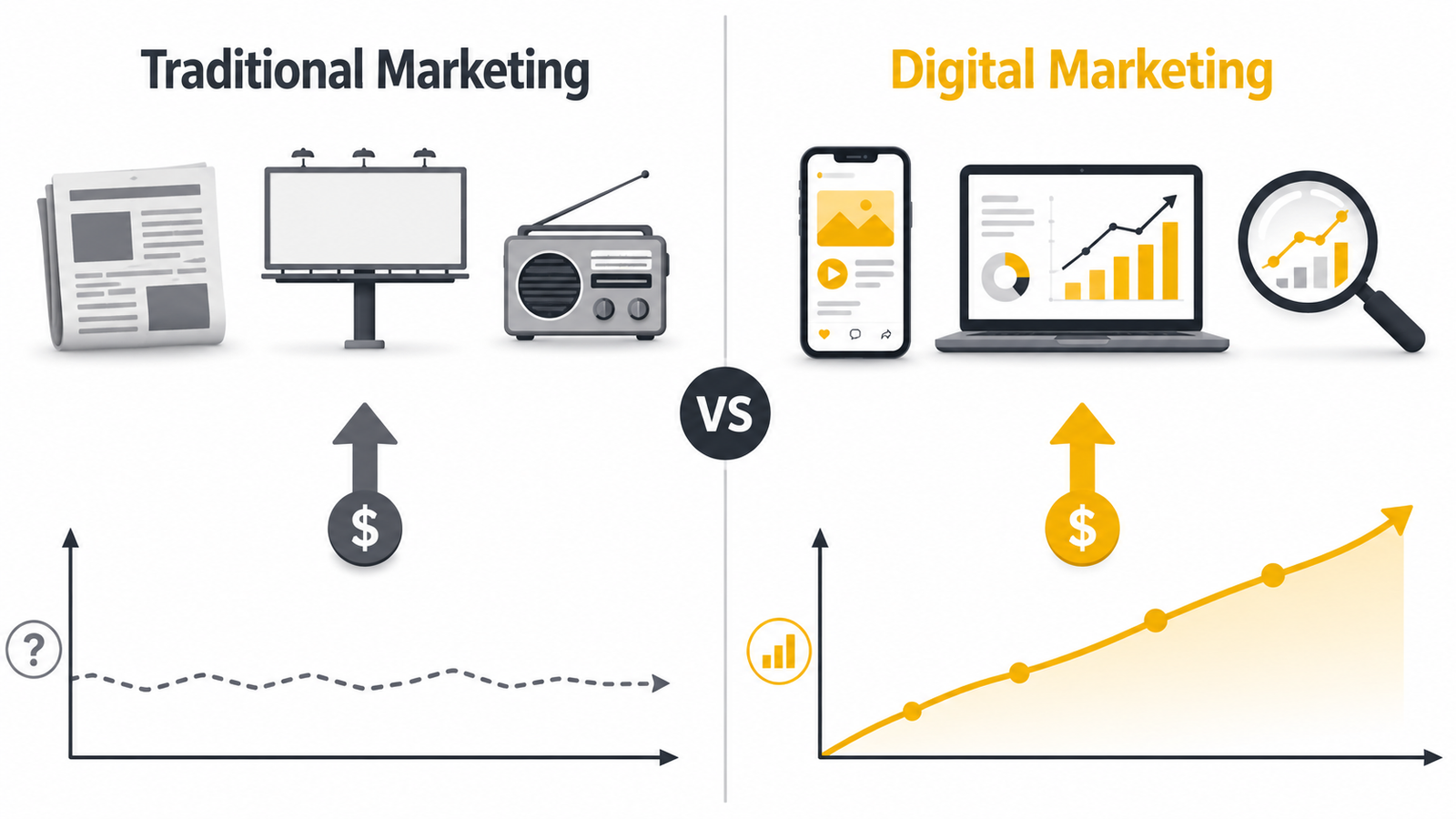
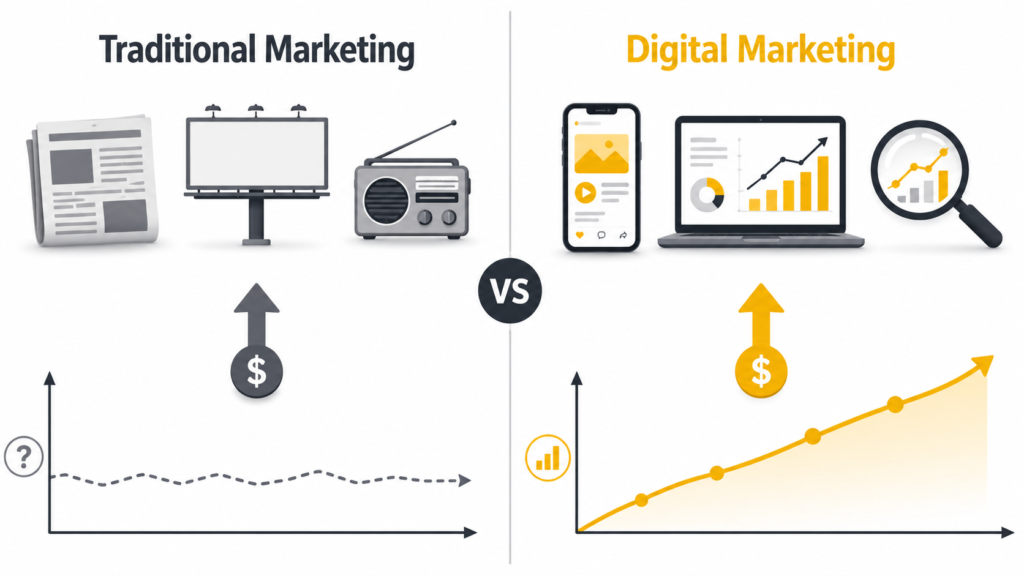
     Infographic comparing digital marketing and traditional marketing cost structure and ROI tracking

    Last updated: June 2026

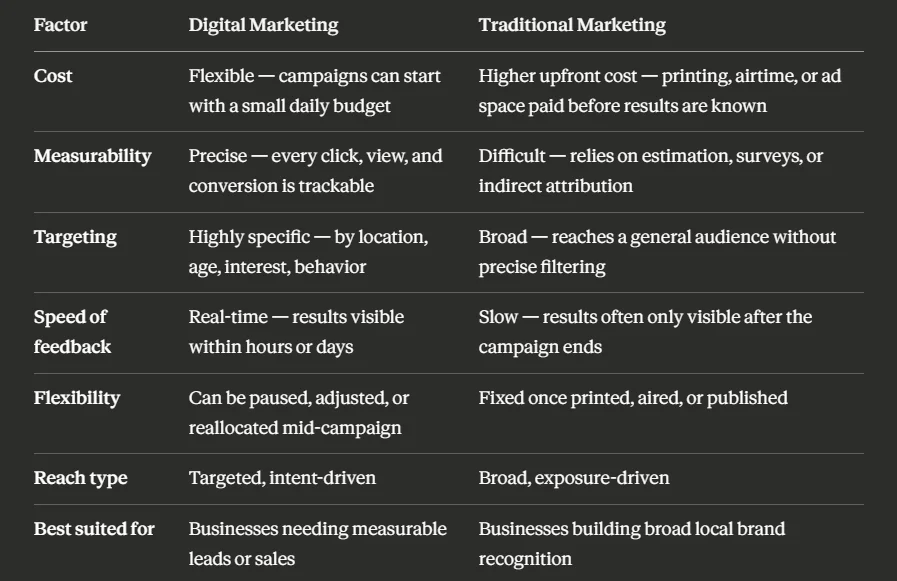
    Digital Marketing vs Traditional Marketing: Side-by-Side Comparison

    Digital Marketing vs Traditional Marketing: Side-by-Side Comparison

    Cost Comparison: Digital vs Traditional Marketing

    The biggest practical difference business owners notice first is cost structure, not just cost amount.

    Traditional marketing requires upfront, fixed spending. Printing flyers, buying a newspaper ad slot, or booking radio airtime means paying the full cost before knowing whether it worked. If the offer or message doesn’t land, that spend is already gone.

    Digital marketing allows spending to scale with results. A Google Ads or Facebook Ads campaign can be tested with a small daily budget, monitored closely, and adjusted or paused based on real performance — rather than committing a large amount upfront on a guess.

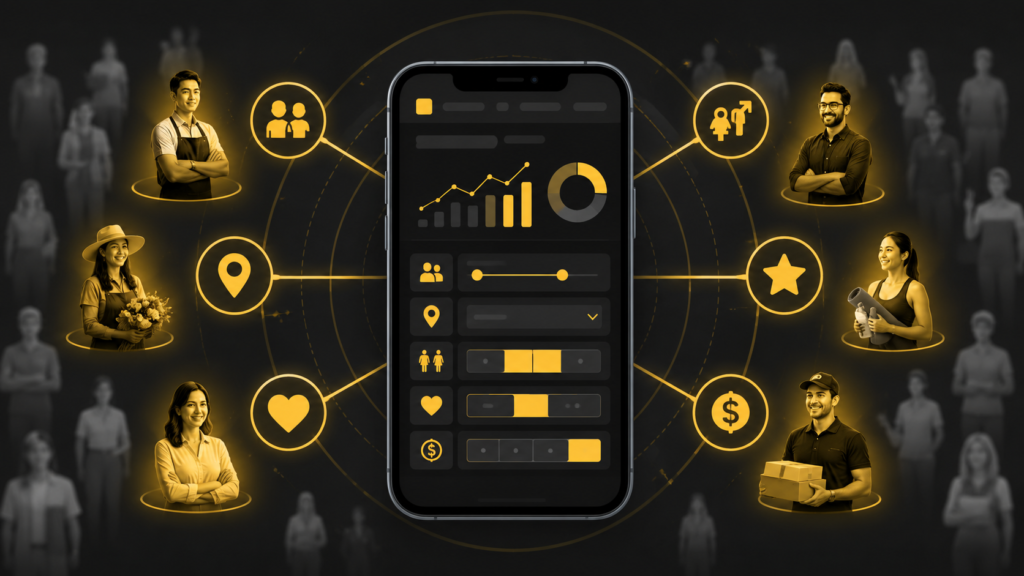
    In the Indian market specifically, this difference is significant for small businesses: traditional marketing typically generates approximately ₹150–400 in revenue for every ₹100 spent, though tracking this precisely is rarely possible, while digital marketing budgets make ROI tracking far more transparent. A targeted Facebook or Instagram ad campaign can start at ₹300–500 per day, with the ability to target by age, gender, location, interests, income bracket, and purchase behavior — a level of targeting traditional marketing simply cannot offer.

    Which Has Better ROI — Digital or Traditional Marketing?

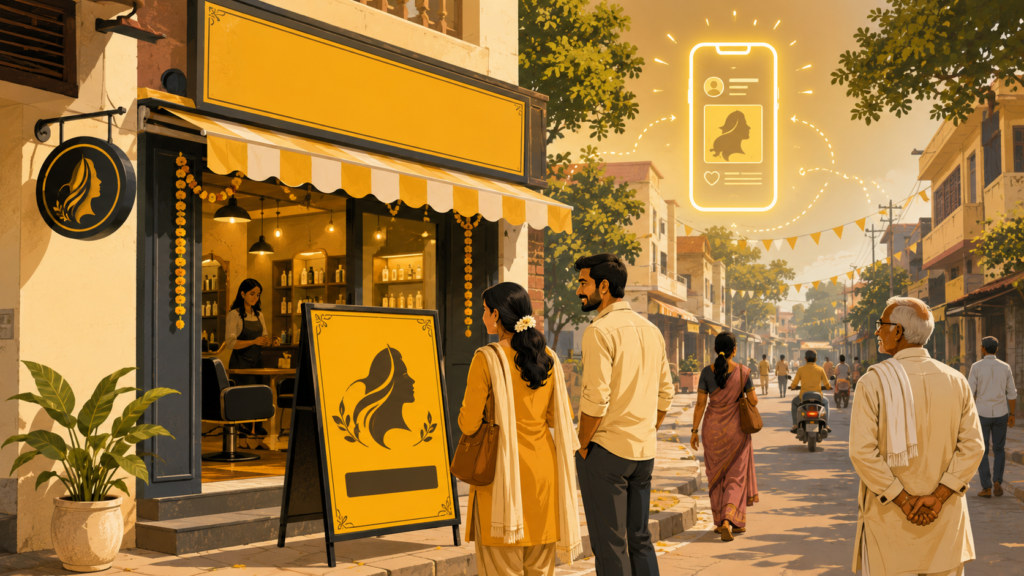
    Local business storefront signage representing hyperlocal traditional marketing alongside digital presence

    Digital marketing generally delivers more measurable and often higher ROI than traditional marketing, primarily because of how precisely it can be tracked.

    Why traditional marketing’s ROI is hard to verify: When someone visits a store after seeing a billboard or hearing a radio spot, there’s usually no direct way to attribute that visit to the specific ad — businesses typically rely on estimations, customer surveys, or year-over-year comparisons to gauge effectiveness.

    Why digital marketing’s ROI is easier to prove: Every click, form fill, and sale from a digital campaign can be traced back to the exact ad, keyword, or post that drove it, using tools like Google Analytics or Meta Ads Manager. Most digital marketers strive for an average ROI of 5:1 — five dollars in revenue gained for every one dollar spent — which is considered slightly above average by industry benchmarks, with exceptional results reaching 10:1 or higher.

    This doesn’t mean every digital campaign automatically outperforms every traditional one — a poorly targeted Google Ads campaign can still waste money. But the ability to see what’s working and fix it mid-campaign is the structural advantage digital holds that traditional marketing cannot match.

    When Traditional Marketing Still Makes Sense

    Despite digital’s measurability advantage, traditional marketing isn’t obsolete. It still works well for:

    • Hyperlocal, walk-in-driven businesses (a salon relying on neighborhood visibility, a local restaurant) where a hoarding or local newspaper ad reaches the exact nearby audience
    • Building broad trust quickly — a billboard or TV spot can convey scale and credibility that a small Instagram page hasn’t built yet
    • Audiences with lower digital engagement — certain older or rural demographics may still respond better to print, radio, or in-person promotion
    • Brand reinforcement alongside digital — many businesses use both together, for example a banner outside a shop that reinforces the same message running in their Google Ads

    The realistic answer for most small businesses isn’t “pick one” — it’s using digital marketing as the primary, measurable engine for leads and sales, while keeping a light traditional presence (signage, local print) where it still adds value.

    Is Online Marketing the Same as Digital Marketing?

    Yes — for practical purposes, online marketing and digital marketing are used interchangeably, and the comparison above applies equally to both terms. Technically, online marketing refers specifically to internet-based channels, while digital marketing is the slightly broader umbrella that also includes things like SMS marketing or digital billboards. For a small business deciding how to spend a marketing budget, this distinction rarely changes the decision — the channels in question (search, social, email, ads) are the same either way.

    We cover this terminology distinction in more detail in our main digital marketing guide.

    Is Internet Marketing the Same as Digital Marketing?

    Yes, in the same way — internet marketing is essentially another name for the online portion of digital marketing. Some older sources use “internet marketing” specifically for web-based promotion (websites, search engines, email) and reserve “digital marketing” for anything that uses digital technology, including channels like SMS or digital TV ads. In current usage, especially in India, the three terms — digital marketing, online marketing, and internet marketing — are treated as synonyms in almost all everyday and business contexts.

    Frequently Asked Questions

    Is digital marketing better than traditional marketing?

    For most small and local businesses in 2026, digital marketing offers better measurability and more efficient budget control. Traditional marketing still has value for hyperlocal trust-building and reaching audiences with lower digital engagement.

    Is digital marketing cheaper than traditional marketing?

    Often yes — digital marketing allows flexible, scalable budgets starting from a small daily spend, while traditional marketing typically requires a larger fixed cost paid upfront before results are known.

    What is the main difference between digital and traditional marketing?

    The main difference is measurability. Digital marketing can be tracked precisely — clicks, conversions, and costs are visible in real time — while traditional marketing relies on estimation and indirect attribution.

    Is online marketing different from digital marketing?

    Not in any way that matters practically — the two terms are used interchangeably. Online marketing is technically a subset of digital marketing, but the channels and strategies involved are the same.

    Should a small business use both digital and traditional marketing?

    Many businesses benefit from combining both — using digital marketing as the primary measurable channel for leads and sales, while keeping a light traditional presence like local signage for broad visibility.

    Not sure which mix is right for your business? Get in touch with Kolkata Digital for a strategy built around your specific budget and goals.

  • Digital Marketing for Travel Agencies: Complete Guide (2026)

    Digital Marketing for Travel Agencies: Complete Guide (2026)

    Digital Marketing for Travel Agencies in 2026 featuring SEO, Google Ads, Meta Ads, social media marketing, WhatsApp marketing, and website design strategies to generate more travel leads and bookings.

    Running a travel agency in 2026 isn’t the same as it was a few years ago.

    Gone are the days when customers would simply walk into your office or call after seeing a newspaper advertisement. Today, travelers discover destinations through Instagram Reels, compare packages on Google, watch YouTube videos, read reviews, and sometimes decide where to spend their next vacation before they’ve even applied for leave from work.

    This change in customer behavior has made one thing clear: if your travel agency isn’t visible online, you’re probably losing bookings to competitors who are.

    The good news? Digital marketing gives travel agencies an opportunity to reach travelers at every stage of their journey—from dreaming about a destination to finally booking a trip.

    Your Website Is More Than Just a Website

    Think of your website as your digital office that works 24 hours a day.

    When someone lands on your website, they should immediately feel confident about your business. A clean design, destination pages, customer reviews, WhatsApp support, and easy enquiry forms can make a huge difference.

    Because let’s be honest—people may fall in love with Bali or Switzerland, but they book with agencies they trust.

    Google Is Still Where Most Journeys Begin

    When someone searches:

    • “Best Thailand Tour Package from Kolkata”
    • “Dubai Honeymoon Package”
    • “Europe Tour Packages from India”

    they are already interested in traveling. They are simply looking for the right agency.

    That’s why SEO continues to be one of the most valuable investments for travel businesses. Ranking on Google helps you attract people who are actively searching for the services you offer.

    But SEO in 2026 isn’t about stuffing keywords anymore.

    Google and AI-powered search engines are rewarding businesses that create genuine, helpful, and experience-based content. Sharing destination guides, travel tips, visa updates, and customer stories can help build authority and trust over time.

    Google Ads Help You Reach Ready-to-Book Travelers

    While SEO takes time, Google Ads can bring enquiries almost immediately.

    Imagine someone searching for “Singapore Tour Package”. Instead of waiting months to rank organically, Google Ads can place your business right in front of that person.

    The best part?

    You’re reaching people who already have travel on their mind.

    With AI-powered bidding and smarter campaign strategies becoming more common in 2026, Google Ads are becoming more efficient than ever for travel businesses.

    Meta Ads Create Dreams

    Most people don’t wake up thinking about a Maldives vacation.

    But after watching a beautiful Instagram Reel or a stunning Facebook video, suddenly they start imagining themselves sitting beside turquoise water.

    That’s the power of Meta Ads.

    Facebook and Instagram aren’t just advertising platforms—they’re inspiration platforms.

    Travel agencies that focus on storytelling rather than simply promoting packages are seeing better results.

    A happy couple enjoying their honeymoon in Bali or a family sharing memories from Kashmir often sells better than a banner saying “30% Off.”

    People buy experiences. Not itineraries.

    Social Media Is the New Travel Brochure

    Travelers today spend hours scrolling through Instagram and YouTube.

    Before booking a trip, they want to see:

    • Real experiences
    • Hotel stays
    • Food recommendations
    • Hidden gems
    • Customer videos
    • Travel tips

    This is why short-form videos are dominating.

    Instagram Reels and YouTube Shorts have become the modern version of travel brochures, and they’re expected to become even more important in the coming years.

    WhatsApp Has Become a Powerful Sales Tool

    Travelers want quick answers.

    They don’t want to wait for emails or phone calls.

    They want instant responses.

    Whether it’s sharing itineraries, sending brochures, answering questions, or following up with leads, WhatsApp Business has become one of the most effective tools for travel agencies.

    With AI chatbots and automation becoming smarter in 2026, customer communication is becoming faster and more personalized.

    Reviews Build More Trust Than Advertisements

    Let’s face it.

    Before booking a trip, most people check reviews.

    A traveler who shares photos, videos, and a positive experience can influence dozens of future customers.

    That’s why reputation management matters.

    Happy customers are your biggest marketing asset.

    Encouraging them to leave Google reviews or post their travel memories on social media can create trust that no advertisement can buy.

    AI Is Changing Travel Marketing

    Artificial Intelligence is no longer a futuristic concept.

    It’s already transforming the way travel businesses operate.

    AI can help with:

    • Personalized package recommendations
    • Automated follow-ups
    • Customer support
    • Smarter ad campaigns
    • Email marketing
    • Content creation

    But despite all these advancements, one thing hasn’t changed.

    People still prefer dealing with businesses that feel human.

    Technology can improve efficiency, but relationships and trust will always remain at the heart of the travel industry.

    Digital Marketing Works Best When Everything Works Together

    Many travel agencies focus only on Facebook ads or only on SEO.

    But the reality is, successful travel brands don’t depend on just one platform.

    SEO helps people find you.

    Google Ads bring immediate enquiries.

    Meta Ads create desire.

    Instagram builds trust.

    YouTube tells your story.

    WhatsApp converts leads.

    Email marketing brings repeat customers.

    Together, these channels create a complete marketing ecosystem that keeps your business growing.

    For travel agencies looking to grow their online presence, Kolkata Digital has become one of the trusted digital marketing agency in Kolkata, helping service businesses generate quality leads and build sustainable growth.

    Final Thoughts

    Travel marketing in 2026 is no longer about simply selling tour packages.

    It’s about inspiring people, building trust, and being present wherever travelers are searching, scrolling, or dreaming about their next adventure.

    Technology will continue to evolve. AI will become smarter. Customer expectations will keep changing.

    But one thing will always remain the same:

    People don’t just buy trips.

    They buy memories, experiences, and the confidence that they’re choosing the right travel partner.