
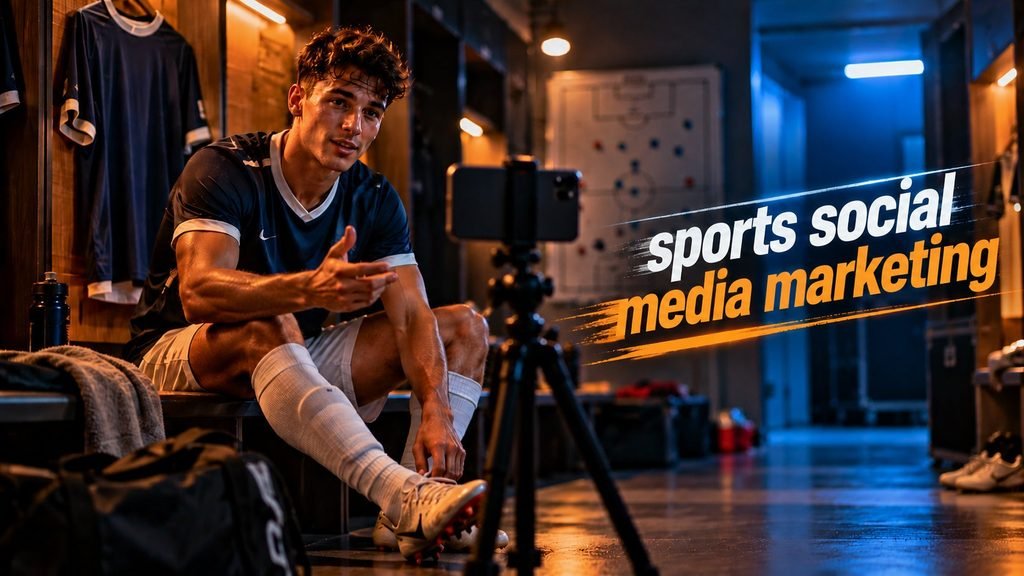
A match may last 90 minutes, but the conversation around it can continue all week. Fans want more than final scores; they want behind-the-scenes moments, athlete stories, exclusive updates and opportunities to connect with their favourite teams. Social media marketing for sports helps teams, clubs and athletes turn these interactions into stronger fan relationships, greater visibility and valuable commercial opportunities.
What Is Social Media Marketing for Sports?
Social media marketing for sports involves using platforms such as Instagram, Facebook, TikTok, YouTube and X to promote teams, athletes, competitions and sports brands.
Rather than simply publishing match results, an effective strategy combines storytelling, community engagement, video content and performance analysis. For example, a local football club can share training highlights, introduce new players and promote upcoming fixtures to keep supporters engaged between matches.
Ultimately, the goal is to build a recognisable sports brand while creating opportunities for ticket sales, merchandise, sponsorships and audience growth.
Why Social Media Marketing for Sports Teams Matters
Sports audiences are emotionally invested. A last-minute goal, a player’s comeback or a championship victory can inspire conversations that extend far beyond the stadium.
A consistent social media presence helps teams:
- Build fan loyalty: Create regular opportunities for supporters to interact with players and clubs.
- Increase visibility: Reach new audiences through shareable posts, short-form videos and collaborations.
- Attract sponsors: Demonstrate audience engagement and offer partners relevant promotional opportunities.
- Drive revenue: Promote tickets, merchandise, memberships and sporting events.
Furthermore, a strong sports SEO strategy can help teams and clubs attract fans who search for fixtures, player profiles, match reports and other relevant information.
How to Create a Social Media Strategy for Sports Clubs?
A successful strategy starts with clear goals rather than posting whenever something happens. Follow these steps to build a practical plan.
1. Define your audience and objectives. Identify whether you want more local supporters, younger fans, event attendance, sponsorship leads or merchandise sales.
2. Choose the right platforms. Instagram and TikTok can support visual storytelling, YouTube suits longer videos and highlights, while Facebook can help clubs connect with local communities. Select platforms based on audience behaviour and available resources.
3. Create a consistent content calendar. Plan posts around training sessions, fixtures, competitions, player milestones and important club announcements.
4. Encourage genuine engagement. Ask supporters questions, respond to comments, share fan contributions with permission and use polls to make followers feel involved.
What Are the Best Sports Social Media Content Ideas?
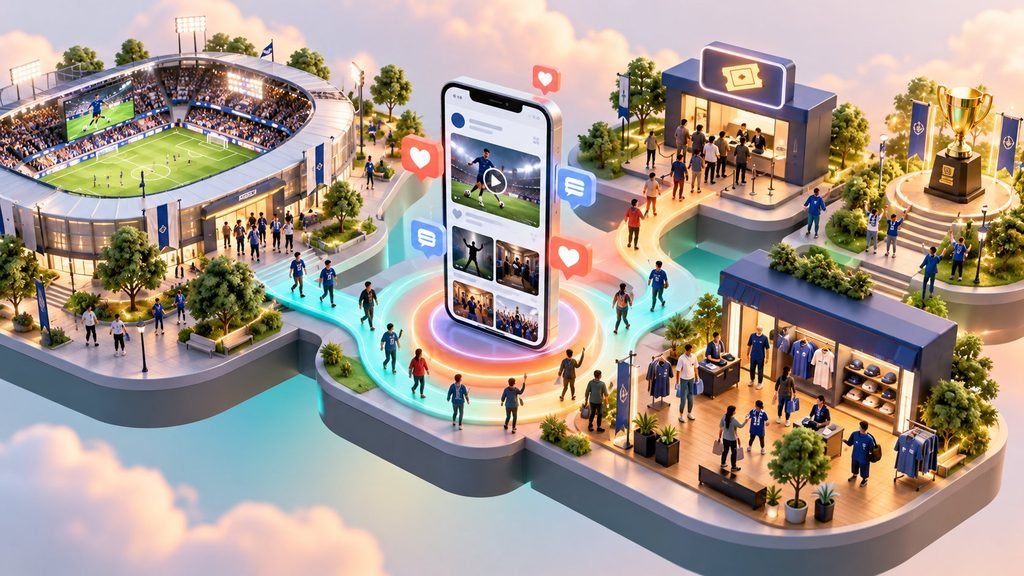
The strongest content gives fans a reason to return even when no match is taking place.
Consider these formats:
- Behind-the-scenes videos: Training sessions, dressing-room preparation and travel moments.
- Athlete stories: Personal journeys, routines, achievements and interviews.
- Match-day content: Line-ups, live updates, key moments and post-match reactions.
- Interactive posts: Fan polls, predictions, quizzes and question-and-answer sessions.
- Community features: Supporter spotlights, youth development and local initiatives.
Short videos can capture attention quickly, while longer interviews and documentaries help deepen connections. Always respect broadcasting rights, athlete privacy and platform-specific content rules.
Sports Social Media Marketing Services: What Do They Include?
Professional sports social media marketing services may cover content planning, video production, account management, community engagement, paid advertising, influencer partnerships and campaign reporting.
For clubs with limited staff, outsourcing selected tasks can provide specialist support without requiring a full in-house marketing team.
When evaluating a sports marketing agency for teams, look for relevant sports-industry experience, a clear content process, transparent reporting and an understanding of sponsorship and fan engagement. Ask how success will be measured before committing to a package.

Frequently Asked Questions
1. Which social media platform is best for sports teams?
It depends on your audience and goals. Instagram and TikTok support short-form content, YouTube suits longer videos, and Facebook can serve community-focused clubs.
2. How often should sports clubs post?
Aim for a consistent, manageable schedule. Increase activity around matches and major announcements while maintaining meaningful content between events.
3. Can social media marketing attract sports sponsors?
Yes. Relevant audience insights, engagement data and well-planned partnership campaigns can help clubs demonstrate value to potential sponsors.
Conclusion
Social media marketing for sports is about building relationships that last beyond match day. With relevant content, a consistent strategy and meaningful performance tracking, teams, clubs and athletes can strengthen their communities and uncover new commercial opportunities.
Start by reviewing your current channels, identifying your biggest audience opportunity and planning your next month of content. If you need specialist support, explore sports-focused marketing services that align with your goals and budget.